Buy erhu.eu ?
We are moving the project
erhu.eu .
Are you interested in purchasing the domain
erhu.eu ?
domain@kv-gmbh.de · 0541-91531010
Buy erhu.eu ?
What is the difference between traditional Chinese and simplified Chinese?
Traditional Chinese characters are the original form of written Chinese, which have been used for thousands of years. They are more complex and have more strokes compared to simplified Chinese characters. Simplified Chinese characters were introduced in the 1950s in an effort to increase literacy in China by reducing the number of strokes in characters. Simplified Chinese characters are used in mainland China and Singapore, while traditional Chinese characters are used in Taiwan, Hong Kong, and Macau. **
What do the Chinese do when they see rare Chinese characters that are not taught in class?
When Chinese people encounter rare Chinese characters that are not taught in class, they may use various methods to understand and remember them. Some may consult dictionaries or online resources to look up the characters and their meanings. Others may ask for help from friends, family, or teachers who may have knowledge of the characters. Additionally, some people may practice writing and using the characters in sentences to help commit them to memory. Overall, the approach to learning rare Chinese characters may vary depending on the individual's resources and learning style. **

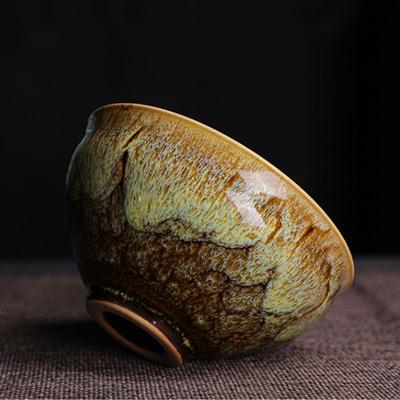
Similar search terms for Rare-Purchases-Chinese-Tradition
Top-Angebote
Products related to Rare-Purchases-Chinese-Tradition:
-
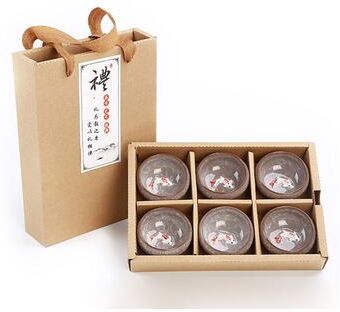
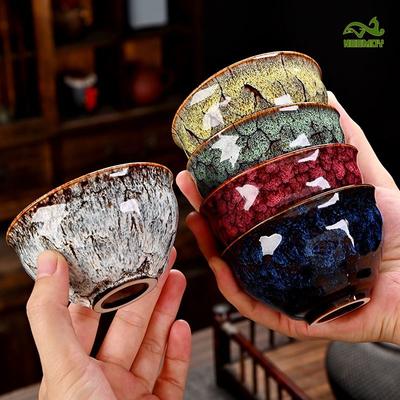
Rare Purchases Kung Fu Tea Set Crackle Glaze, Gift Package 3D Golden Fish China Tea Cup Set, Chinese Teacup Sets, Travel Tea Bowl 3Indulge in the timeless tradition of tea with the 6 pc Gift Package 3D Golden Fish China Tea Cup Set. A stunning fusion of artistry and functionality, this Kung Fu Tea Set Crackle Glaze is perfect for those who appreciate the rich culture and ritual...59,97 $*Shipping: 0,00 $Secure redirect to the provider
-
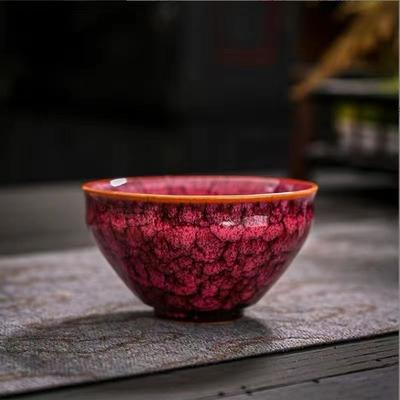
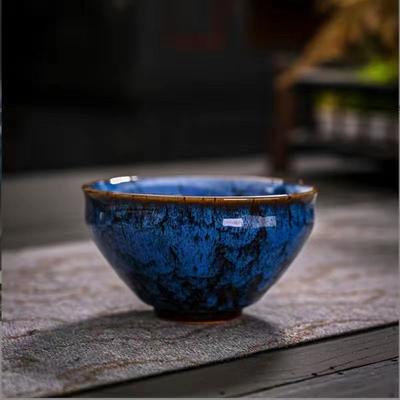
Rare Purchases Five Elements Ceramic Kung Fu Tea Set, Ceramic Mug, Tea Bowl Set, Chinese Master Cup, Ceramic Teacup, Household Gift eElevate your tea experience with the Ceramic Kung Fu Tea Set, a masterpiece that brings together artistry and functionality. This traditional Five Elements Cup set is designed for true tea enthusiasts who appreciate the craft of tea brewing. Whether...109,97 $*Shipping: 0,00 $Secure redirect to the provider
-
Rare Purchases Five Elements Ceramic Kung Fu Tea Set, Ceramic Mug, Tea Bowl Set, Chinese Master Cup, Ceramic Teacup, Household Gift cElevate your tea experience with the Ceramic Kung Fu Tea Set, a masterpiece that brings together artistry and functionality. This traditional Five Elements Cup set is designed for true tea enthusiasts who appreciate the craft of tea brewing. Whether...109,97 $*Shipping: 0,00 $Secure redirect to the provider
-
Rare Purchases Five Elements Ceramic Kung Fu Tea Set, Ceramic Mug, Tea Bowl Set, Chinese Master Cup, Ceramic Teacup, Household Gift dElevate your tea experience with the Ceramic Kung Fu Tea Set, a masterpiece that brings together artistry and functionality. This traditional Five Elements Cup set is designed for true tea enthusiasts who appreciate the craft of tea brewing. Whether...109,97 $*Shipping: 0,00 $Secure redirect to the provider

-
How does Chinese music sound?
Chinese music is characterized by its use of traditional instruments such as the guzheng, erhu, and pipa, which create a distinct and melodic sound. The music often features pentatonic scales and a focus on harmony and balance. Chinese music can range from peaceful and meditative to lively and energetic, reflecting the diverse cultural traditions and regional styles within China. Overall, Chinese music has a unique and captivating sound that reflects the rich history and cultural heritage of the country. **
-
Do Hong Kong Chinese actually speak Chinese?
Yes, Hong Kong Chinese do speak Chinese. The official languages of Hong Kong are Chinese (Cantonese) and English. Cantonese is the most widely spoken language in Hong Kong, with the majority of the population being fluent in it. In addition to Cantonese, many Hong Kong Chinese also speak Mandarin, especially due to the increasing influence of mainland China. Overall, Chinese language proficiency is common among the population in Hong Kong. **
-
How are Chinese traditional characters translated into German?
Chinese traditional characters are translated into German through a process called transliteration. This involves representing the sound of the Chinese characters using German phonetic equivalents. Additionally, the meaning of the characters is also taken into consideration, and the closest German words with similar meanings are chosen to represent the original Chinese characters. This process allows for the accurate representation of the Chinese characters in the German language, ensuring that the meaning and pronunciation are preserved as much as possible. **
-
Do you have beautiful Chinese music?
Yes, Chinese music is known for its beauty and rich cultural heritage. Traditional Chinese music often features instruments such as the guzheng, erhu, and pipa, creating a soothing and melodious sound. There are also contemporary Chinese musicians who blend traditional elements with modern styles, resulting in a diverse and captivating music scene. Overall, Chinese music offers a wide range of genres and styles that showcase the beauty and depth of Chinese culture. **

How do you find Chinese music?
Chinese music is diverse and rich in culture, with a wide range of genres including traditional, pop, rock, and classical music. One way to discover Chinese music is through online streaming platforms like Spotify or Apple Music, where you can explore curated playlists or search for specific artists. Additionally, attending Chinese cultural events, concerts, or music festivals can also be a great way to experience and appreciate the beauty of Chinese music firsthand. Lastly, connecting with Chinese friends or communities who are passionate about music can provide valuable recommendations and insights into the local music scene. **
What is the name of this Chinese-Japanese melody?
The name of this Chinese-Japanese melody is "Sakura Sakura," which translates to "Cherry Blossoms" in English. It is a traditional Japanese folk song that is often associated with the beauty of cherry blossoms in the springtime. The melody is well-known and has been performed and adapted in various ways throughout the years. **
Top-Angebote
Products related to Rare-Purchases-Chinese-Tradition:
-
Rare Purchases Chinese Tradition Kung Fu Tea Set With Bag, Portable Ceramic Teaware Set, Gaiwan Tea Cups, Complete Tea Ceremony Set setPortable Ceramic Teaware Set Embrace the Chinese Tradition of Kung Fu Tea Discover the timeless elegance and cultural richness of the Portable Ceramic Teaware Set, an exquisite set designed for those who appreciate the art of Chinese Tradition Kung...149,97 $*Shipping: 0,00 $Secure redirect to the provider
-
Rare Purchases Five Elements Ceramic Kung Fu Tea Set, Ceramic Mug, Tea Bowl Set, Chinese Master Cup, Ceramic Teacup, Household Gift bElevate your tea experience with the Ceramic Kung Fu Tea Set, a masterpiece that brings together artistry and functionality. This traditional Five Elements Cup set is designed for true tea enthusiasts who appreciate the craft of tea brewing. Whether...109,97 $*Shipping: 0,00 $Secure redirect to the provider
-
Rare Purchases Kung Fu Tea Set Crackle Glaze, Gift Package 3D Golden Fish China Tea Cup Set, Chinese Teacup Sets, Travel Tea Bowl 3Indulge in the timeless tradition of tea with the 6 pc Gift Package 3D Golden Fish China Tea Cup Set. A stunning fusion of artistry and functionality, this Kung Fu Tea Set Crackle Glaze is perfect for those who appreciate the rich culture and ritual...59,97 $*Shipping: 0,00 $Secure redirect to the provider
-
Rare Purchases Five Elements Ceramic Kung Fu Tea Set, Ceramic Mug, Tea Bowl Set, Chinese Master Cup, Ceramic Teacup, Household Gift eElevate your tea experience with the Ceramic Kung Fu Tea Set, a masterpiece that brings together artistry and functionality. This traditional Five Elements Cup set is designed for true tea enthusiasts who appreciate the craft of tea brewing. Whether...109,97 $*Shipping: 0,00 $Secure redirect to the provider
-
What is the difference between traditional Chinese and simplified Chinese?
Traditional Chinese characters are the original form of written Chinese, which have been used for thousands of years. They are more complex and have more strokes compared to simplified Chinese characters. Simplified Chinese characters were introduced in the 1950s in an effort to increase literacy in China by reducing the number of strokes in characters. Simplified Chinese characters are used in mainland China and Singapore, while traditional Chinese characters are used in Taiwan, Hong Kong, and Macau. **
-
What do the Chinese do when they see rare Chinese characters that are not taught in class?
When Chinese people encounter rare Chinese characters that are not taught in class, they may use various methods to understand and remember them. Some may consult dictionaries or online resources to look up the characters and their meanings. Others may ask for help from friends, family, or teachers who may have knowledge of the characters. Additionally, some people may practice writing and using the characters in sentences to help commit them to memory. Overall, the approach to learning rare Chinese characters may vary depending on the individual's resources and learning style. **
-
How does Chinese music sound?
Chinese music is characterized by its use of traditional instruments such as the guzheng, erhu, and pipa, which create a distinct and melodic sound. The music often features pentatonic scales and a focus on harmony and balance. Chinese music can range from peaceful and meditative to lively and energetic, reflecting the diverse cultural traditions and regional styles within China. Overall, Chinese music has a unique and captivating sound that reflects the rich history and cultural heritage of the country. **
-
Do Hong Kong Chinese actually speak Chinese?
Yes, Hong Kong Chinese do speak Chinese. The official languages of Hong Kong are Chinese (Cantonese) and English. Cantonese is the most widely spoken language in Hong Kong, with the majority of the population being fluent in it. In addition to Cantonese, many Hong Kong Chinese also speak Mandarin, especially due to the increasing influence of mainland China. Overall, Chinese language proficiency is common among the population in Hong Kong. **
Similar search terms for Rare-Purchases-Chinese-Tradition
-
Rare Purchases Five Elements Ceramic Kung Fu Tea Set, Ceramic Mug, Tea Bowl Set, Chinese Master Cup, Ceramic Teacup, Household Gift cElevate your tea experience with the Ceramic Kung Fu Tea Set, a masterpiece that brings together artistry and functionality. This traditional Five Elements Cup set is designed for true tea enthusiasts who appreciate the craft of tea brewing. Whether...109,97 $*Shipping: 0,00 $Secure redirect to the provider
-
Rare Purchases Five Elements Ceramic Kung Fu Tea Set, Ceramic Mug, Tea Bowl Set, Chinese Master Cup, Ceramic Teacup, Household Gift dElevate your tea experience with the Ceramic Kung Fu Tea Set, a masterpiece that brings together artistry and functionality. This traditional Five Elements Cup set is designed for true tea enthusiasts who appreciate the craft of tea brewing. Whether...109,97 $*Shipping: 0,00 $Secure redirect to the provider
-
Rare Purchases Five Elements Ceramic Kung Fu Tea Set, Ceramic Mug, Tea Bowl Set, Chinese Master Cup, Ceramic Teacup, Household Gift aElevate your tea experience with the Ceramic Kung Fu Tea Set, a masterpiece that brings together artistry and functionality. This traditional Five Elements Cup set is designed for true tea enthusiasts who appreciate the craft of tea brewing. Whether...109,97 $*Shipping: 0,00 $Secure redirect to the provider
-
Rare Purchases Five Elements Ceramic Kung Fu Tea Set, Ceramic Mug, Tea Bowl Set, Chinese Master Cup, Ceramic Teacup, Household Gift 5 PcElevate your tea experience with the Ceramic Kung Fu Tea Set, a masterpiece that brings together artistry and functionality. This traditional Five Elements Cup set is designed for true tea enthusiasts who appreciate the craft of tea brewing. Whether...184,97 $*Shipping: 0,00 $Secure redirect to the provider
-
How are Chinese traditional characters translated into German?
Chinese traditional characters are translated into German through a process called transliteration. This involves representing the sound of the Chinese characters using German phonetic equivalents. Additionally, the meaning of the characters is also taken into consideration, and the closest German words with similar meanings are chosen to represent the original Chinese characters. This process allows for the accurate representation of the Chinese characters in the German language, ensuring that the meaning and pronunciation are preserved as much as possible. **
-
Do you have beautiful Chinese music?
Yes, Chinese music is known for its beauty and rich cultural heritage. Traditional Chinese music often features instruments such as the guzheng, erhu, and pipa, creating a soothing and melodious sound. There are also contemporary Chinese musicians who blend traditional elements with modern styles, resulting in a diverse and captivating music scene. Overall, Chinese music offers a wide range of genres and styles that showcase the beauty and depth of Chinese culture. **
-
How do you find Chinese music?
Chinese music is diverse and rich in culture, with a wide range of genres including traditional, pop, rock, and classical music. One way to discover Chinese music is through online streaming platforms like Spotify or Apple Music, where you can explore curated playlists or search for specific artists. Additionally, attending Chinese cultural events, concerts, or music festivals can also be a great way to experience and appreciate the beauty of Chinese music firsthand. Lastly, connecting with Chinese friends or communities who are passionate about music can provide valuable recommendations and insights into the local music scene. **
-
What is the name of this Chinese-Japanese melody?
The name of this Chinese-Japanese melody is "Sakura Sakura," which translates to "Cherry Blossoms" in English. It is a traditional Japanese folk song that is often associated with the beauty of cherry blossoms in the springtime. The melody is well-known and has been performed and adapted in various ways throughout the years. **
* All prices are inclusive of VAT and, if applicable, plus shipping costs. The offer information is based on the details provided by the respective shop and is updated through automated processes. Real-time updates do not occur, so deviations can occur in individual cases. ** Note: Parts of this content were created by AI.