Buy erhu.eu ?
We are moving the project
erhu.eu .
Are you interested in purchasing the domain
erhu.eu ?
domain@kv-gmbh.de · 0541-91531010
Buy erhu.eu ?
What is a nucleophilic center?
A nucleophilic center is an atom within a molecule that has a partial or full negative charge and is therefore attracted to positively charged species. This center is rich in electrons and is capable of donating a pair of electrons to form a new chemical bond with an electrophile. Nucleophilic centers are commonly found in atoms such as oxygen, nitrogen, and sulfur, which have lone pairs of electrons available for bonding. These centers play a key role in many chemical reactions, such as nucleophilic substitution and addition reactions. **
What is a nucleophilic substitution?
A nucleophilic substitution is a type of organic reaction where a nucleophile replaces a leaving group in a molecule. The nucleophile is an electron-rich species that attacks the electrophilic carbon atom, leading to the displacement of the leaving group. This reaction is commonly seen in alkyl halides, where the halogen atom is replaced by a nucleophile such as hydroxide or amine. Nucleophilic substitutions can proceed via either an SN1 (unimolecular) or SN2 (bimolecular) mechanism, depending on the structure of the substrate and reaction conditions. **
Similar search terms for Nucleophilic
Top-Angebote
Products related to Nucleophilic:
-
Villeroy & Boch Nostalgic Melody Turning Nutcracker Music BoxBring timeless elegance to your festive décor with the Nostalgic Melody Turning Nutcracker Music Box from Villeroy & Boch. This beautifully detailed porcelain figurine slowly rotates to Waltz of the Flowers, filling your home with the enchanting charm of a classic Christmas ballet. A treasured keepsake or gift that brings joy year after year. Dimensions: 9cm (L) x 9cm (W) x 14.6cm (H). Weight: 0.46kg.35,01 £*Shipping: 3,50 £Secure redirect to the provider
-
Villeroy & Boch Nostalgic Melody Turning Christmas Tree Music BoxThe Villeroy & Boch Nostalgic Melody Turning Christmas Tree Music Box adds festive charm to your home with its intricate hand-painted design and durable ceramic construction. Bring the spirit of the season into your space with this compact decoration, perfect for tabletops or mantels. Its sturdy base ensures stability, allowing you to showcase it confidently throughout the holidays. Simply twist the key to start the festive tune and set your tree up on display to immerse yourself in the merriment of Christmas. Whether it is placed on a dining table, coffee table or displayed on a mantlepiece, this music box will perfectly compliment other pieces from the Nostalgic Melody range. Made from premium Porcelain. Dimensions: 16.2(H) cm. Hand washing recommended. Weight: 0.5kg.37,71 £*Shipping: 3,50 £Secure redirect to the provider
-
Momeni Harmony Hand Tufted Wool Traditional Floral Area RugOrnate goldtone scrolls and scallop accents reflect the gilded grandeur of French baroque style, in this area rug. The antique-style embellishments add ornamental flourish to floors throughout your space.83,51 $*Shipping: 0,00 $Secure redirect to the provider
-
Momeni Harmony Hand Tufted Wool Traditional Floral Area Rug.Decorate your home with this alluring medallion patterned area rug. The antique-style embellishment of this traditional area rug adds ornamental flourish to floors throughout the home.72,92 $*Shipping: 0,00 $Secure redirect to the provider



-
Is water electrophilic or nucleophilic?
Water is considered nucleophilic because it has a lone pair of electrons on the oxygen atom, which can be donated to an electrophile in a chemical reaction. This lone pair of electrons allows water to act as a nucleophile, meaning it can attack positively charged or electron-deficient species in a chemical reaction. **
-
What are nucleophilic and electrophilic reagents?
Nucleophilic reagents are molecules or ions that are electron-rich and are attracted to electron-deficient sites in other molecules. They donate a pair of electrons to form a new covalent bond. Electrophilic reagents, on the other hand, are electron-deficient species that are attracted to electron-rich sites in other molecules. They accept a pair of electrons to form a new covalent bond. Both types of reagents play important roles in organic chemistry reactions by participating in bond formation processes. **
-
How does a nucleophilic substitution proceed?
A nucleophilic substitution proceeds with the attack of a nucleophile on an electrophilic carbon atom, leading to the displacement of a leaving group. The nucleophile, which is typically a negatively charged or electron-rich species, attacks the electrophilic carbon, forming a new bond and causing the leaving group to depart. This results in the substitution of the leaving group with the nucleophile, leading to the formation of a new compound. The rate and mechanism of the nucleophilic substitution can be influenced by factors such as the nature of the nucleophile, leaving group, and solvent. **
-
What is the Walden inversion in nucleophilic substitution?
The Walden inversion in nucleophilic substitution refers to the stereochemical outcome where the configuration of the stereocenter is inverted during the reaction. This inversion occurs due to the backside attack of the nucleophile on the electrophilic center, leading to the formation of the inverted product. The Walden inversion is a key concept in understanding the mechanism of nucleophilic substitution reactions, particularly in reactions involving chiral centers. **


Is it an electrophilic addition or a nucleophilic addition?
The type of addition reaction depends on the nature of the reactants involved. If the reaction involves an electrophile (electron-deficient species) reacting with a nucleophile (electron-rich species), it is considered an electrophilic addition. On the other hand, if the reaction involves a nucleophile attacking an electrophilic center, it is considered a nucleophilic addition. The key distinction lies in the role of the reactants in the addition process. **
How does the inductive mesomeric effect influence nucleophilic substitution?
The inductive mesomeric effect, also known as the resonance effect, involves the delocalization of electrons through a molecule. In the context of nucleophilic substitution, the inductive mesomeric effect can influence the reactivity of the substrate. When a substituent with a strong electron-withdrawing group is present, it can withdraw electron density from the carbon atom, making it more electrophilic and thus more susceptible to nucleophilic attack. Conversely, a substituent with a strong electron-donating group can donate electron density to the carbon atom, making it less electrophilic and less susceptible to nucleophilic attack. Therefore, the inductive mesomeric effect can impact the rate and outcome of nucleophilic substitution reactions. **
Top-Angebote
Products related to Nucleophilic:
-
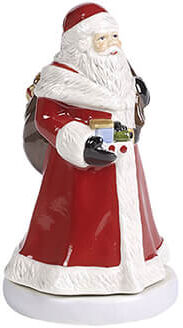
Villeroy & Boch Nostalgic Melody Turning Santa Music BoxBring the magic of Christmas to life with this charming Nostalgic Melody music box from Villeroy & Boch. Featuring a finely detailed, rotating Santa Claus figurine and a built-in wind-up mechanism that plays “Santa Claus Is Coming to Town,” this decorative piece captures the warmth and wonder of the festive season. Crafted from high-quality porcelain, it's a treasured keepsake that adds joy to every Christmas celebration. Dimensions: 8.7cm (L) x 8.6cm (W) x 15cm (H). Weight: 0.10kg.35,01 £*Shipping: 3,50 £Secure redirect to the provider
-
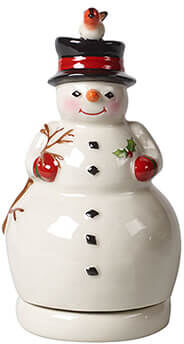
Villeroy & Boch Nostalgic Melody Turning Snowman Music BoxCelebrate the spirit of the season with this charming Nostalgic Melody music box from Villeroy & Boch. Featuring a cheerful snowman that gently rotates to the classic tune Jingle Bells, it brings festive cheer to your home with every turn. Expertly crafted from high-quality porcelain, it makes a delightful addition to your Christmas decorations or a thoughtful gift for collectors. Dimensions: 8cm (L) x 8cm (W) x 15cm (H). Weight: 0.35kg.35,01 £*Shipping: 3,50 £Secure redirect to the provider
-
Villeroy & Boch Nostalgic Melody Turning Nutcracker Music BoxBring timeless elegance to your festive décor with the Nostalgic Melody Turning Nutcracker Music Box from Villeroy & Boch. This beautifully detailed porcelain figurine slowly rotates to Waltz of the Flowers, filling your home with the enchanting charm of a classic Christmas ballet. A treasured keepsake or gift that brings joy year after year. Dimensions: 9cm (L) x 9cm (W) x 14.6cm (H). Weight: 0.46kg.35,01 £*Shipping: 3,50 £Secure redirect to the provider
-
Villeroy & Boch Nostalgic Melody Turning Christmas Tree Music BoxThe Villeroy & Boch Nostalgic Melody Turning Christmas Tree Music Box adds festive charm to your home with its intricate hand-painted design and durable ceramic construction. Bring the spirit of the season into your space with this compact decoration, perfect for tabletops or mantels. Its sturdy base ensures stability, allowing you to showcase it confidently throughout the holidays. Simply twist the key to start the festive tune and set your tree up on display to immerse yourself in the merriment of Christmas. Whether it is placed on a dining table, coffee table or displayed on a mantlepiece, this music box will perfectly compliment other pieces from the Nostalgic Melody range. Made from premium Porcelain. Dimensions: 16.2(H) cm. Hand washing recommended. Weight: 0.5kg.37,71 £*Shipping: 3,50 £Secure redirect to the provider
-
What is a nucleophilic center?
A nucleophilic center is an atom within a molecule that has a partial or full negative charge and is therefore attracted to positively charged species. This center is rich in electrons and is capable of donating a pair of electrons to form a new chemical bond with an electrophile. Nucleophilic centers are commonly found in atoms such as oxygen, nitrogen, and sulfur, which have lone pairs of electrons available for bonding. These centers play a key role in many chemical reactions, such as nucleophilic substitution and addition reactions. **
-
What is a nucleophilic substitution?
A nucleophilic substitution is a type of organic reaction where a nucleophile replaces a leaving group in a molecule. The nucleophile is an electron-rich species that attacks the electrophilic carbon atom, leading to the displacement of the leaving group. This reaction is commonly seen in alkyl halides, where the halogen atom is replaced by a nucleophile such as hydroxide or amine. Nucleophilic substitutions can proceed via either an SN1 (unimolecular) or SN2 (bimolecular) mechanism, depending on the structure of the substrate and reaction conditions. **
-
Is water electrophilic or nucleophilic?
Water is considered nucleophilic because it has a lone pair of electrons on the oxygen atom, which can be donated to an electrophile in a chemical reaction. This lone pair of electrons allows water to act as a nucleophile, meaning it can attack positively charged or electron-deficient species in a chemical reaction. **
-
What are nucleophilic and electrophilic reagents?
Nucleophilic reagents are molecules or ions that are electron-rich and are attracted to electron-deficient sites in other molecules. They donate a pair of electrons to form a new covalent bond. Electrophilic reagents, on the other hand, are electron-deficient species that are attracted to electron-rich sites in other molecules. They accept a pair of electrons to form a new covalent bond. Both types of reagents play important roles in organic chemistry reactions by participating in bond formation processes. **
Similar search terms for Nucleophilic
-
Momeni Harmony Hand Tufted Wool Traditional Floral Area RugOrnate goldtone scrolls and scallop accents reflect the gilded grandeur of French baroque style, in this area rug. The antique-style embellishments add ornamental flourish to floors throughout your space.83,51 $*Shipping: 0,00 $Secure redirect to the provider
-
Momeni Harmony Hand Tufted Wool Traditional Floral Area Rug.Decorate your home with this alluring medallion patterned area rug. The antique-style embellishment of this traditional area rug adds ornamental flourish to floors throughout the home.72,92 $*Shipping: 0,00 $Secure redirect to the provider
-
Momeni Harmony Hand Tufted Wool Traditional Floral Area RugOrnate goldtone scrolls and scallop accents reflect the gilded grandeur of French baroque style, in this area rug. The antique-style embellishments add ornamental flourish to floors throughout your space.78,48 $*Shipping: 0,00 $Secure redirect to the provider
-
Momeni Harmony Hand Tufted Wool Traditional Floral Area Rug.Decorate your home with this alluring medallion patterned area rug. The antique-style embellishment of this traditional area rug adds ornamental flourish to floors throughout the home.234,99 $*Shipping: 0,00 $Secure redirect to the provider
-
How does a nucleophilic substitution proceed?
A nucleophilic substitution proceeds with the attack of a nucleophile on an electrophilic carbon atom, leading to the displacement of a leaving group. The nucleophile, which is typically a negatively charged or electron-rich species, attacks the electrophilic carbon, forming a new bond and causing the leaving group to depart. This results in the substitution of the leaving group with the nucleophile, leading to the formation of a new compound. The rate and mechanism of the nucleophilic substitution can be influenced by factors such as the nature of the nucleophile, leaving group, and solvent. **
-
What is the Walden inversion in nucleophilic substitution?
The Walden inversion in nucleophilic substitution refers to the stereochemical outcome where the configuration of the stereocenter is inverted during the reaction. This inversion occurs due to the backside attack of the nucleophile on the electrophilic center, leading to the formation of the inverted product. The Walden inversion is a key concept in understanding the mechanism of nucleophilic substitution reactions, particularly in reactions involving chiral centers. **
-
Is it an electrophilic addition or a nucleophilic addition?
The type of addition reaction depends on the nature of the reactants involved. If the reaction involves an electrophile (electron-deficient species) reacting with a nucleophile (electron-rich species), it is considered an electrophilic addition. On the other hand, if the reaction involves a nucleophile attacking an electrophilic center, it is considered a nucleophilic addition. The key distinction lies in the role of the reactants in the addition process. **
-
How does the inductive mesomeric effect influence nucleophilic substitution?
The inductive mesomeric effect, also known as the resonance effect, involves the delocalization of electrons through a molecule. In the context of nucleophilic substitution, the inductive mesomeric effect can influence the reactivity of the substrate. When a substituent with a strong electron-withdrawing group is present, it can withdraw electron density from the carbon atom, making it more electrophilic and thus more susceptible to nucleophilic attack. Conversely, a substituent with a strong electron-donating group can donate electron density to the carbon atom, making it less electrophilic and less susceptible to nucleophilic attack. Therefore, the inductive mesomeric effect can impact the rate and outcome of nucleophilic substitution reactions. **
* All prices are inclusive of VAT and, if applicable, plus shipping costs. The offer information is based on the details provided by the respective shop and is updated through automated processes. Real-time updates do not occur, so deviations can occur in individual cases. ** Note: Parts of this content were created by AI.