Buy erhu.eu ?
We are moving the project
erhu.eu .
Are you interested in purchasing the domain
erhu.eu ?
domain@kv-gmbh.de · 0541-91531010
Buy erhu.eu ?
What are motivic processing techniques in music?
Motivic processing techniques in music involve the manipulation and development of a musical motif or short musical idea. This can include techniques such as fragmentation, where the motif is broken down into smaller parts, or augmentation, where the motif is lengthened. Other techniques include inversion, retrograde, and transposition, which involve altering the pitch or rhythm of the motif. These techniques are used to create variation and development within a piece of music, adding interest and complexity to the composition. **
What is the difference between continuation and development in the motivic-thematic technique in music?
Continuation in motivic-thematic technique refers to the repetition or variation of a musical idea without significant change, maintaining the original character and structure of the motif. On the other hand, development involves transforming the motif through various techniques such as fragmentation, augmentation, diminution, or modulation, creating new material while still retaining elements of the original motif. Continuation tends to reinforce the motif's identity, while development explores different possibilities and expands upon the initial idea, adding depth and complexity to the music. **
Similar search terms for Motivic
Top-Angebote
Products related to Motivic:
-
Villeroy & Boch Nostalgic Melody Turning Nutcracker Music BoxBring timeless elegance to your festive décor with the Nostalgic Melody Turning Nutcracker Music Box from Villeroy & Boch. This beautifully detailed porcelain figurine slowly rotates to Waltz of the Flowers, filling your home with the enchanting charm of a classic Christmas ballet. A treasured keepsake or gift that brings joy year after year. Dimensions: 9cm (L) x 9cm (W) x 14.6cm (H). Weight: 0.46kg.35,01 £*Shipping: 3,50 £Secure redirect to the provider
-
Villeroy & Boch Nostalgic Melody Turning Christmas Tree Music BoxThe Villeroy & Boch Nostalgic Melody Turning Christmas Tree Music Box adds festive charm to your home with its intricate hand-painted design and durable ceramic construction. Bring the spirit of the season into your space with this compact decoration, perfect for tabletops or mantels. Its sturdy base ensures stability, allowing you to showcase it confidently throughout the holidays. Simply twist the key to start the festive tune and set your tree up on display to immerse yourself in the merriment of Christmas. Whether it is placed on a dining table, coffee table or displayed on a mantlepiece, this music box will perfectly compliment other pieces from the Nostalgic Melody range. Made from premium Porcelain. Dimensions: 16.2(H) cm. Hand washing recommended. Weight: 0.5kg.37,71 £*Shipping: 3,50 £Secure redirect to the provider
-
Momeni Harmony Hand Tufted Wool Traditional Floral Area RugOrnate goldtone scrolls and scallop accents reflect the gilded grandeur of French baroque style, in this area rug. The antique-style embellishments add ornamental flourish to floors throughout your space.83,51 $*Shipping: 0,00 $Secure redirect to the provider
-
Momeni Harmony Hand Tufted Wool Traditional Floral Area Rug.Decorate your home with this alluring medallion patterned area rug. The antique-style embellishment of this traditional area rug adds ornamental flourish to floors throughout the home.72,92 $*Shipping: 0,00 $Secure redirect to the provider



-
What is the difference between continuation and development in the motivic-thematic process in music?
Continuation in the motivic-thematic process refers to the repetition or variation of a musical idea without significant change or progression. It maintains the same melodic or rhythmic material, often creating a sense of stability or repetition within the music. On the other hand, development involves the transformation and elaboration of a musical idea, introducing new elements and exploring different variations of the original motif. This process creates a sense of growth and evolution within the music, often leading to new and unexpected musical directions. **
-
What is the difference between harmony and melody?
Harmony refers to the combination of different musical notes played or sung simultaneously to create a pleasing sound. It involves the use of chords and the relationship between different notes played together. On the other hand, melody is a sequence of single notes that are perceived as a single entity. It is the main theme or tune of a piece of music and is usually the most memorable part of a song. In summary, harmony involves the combination of notes played together, while melody is a sequence of single notes that form the main theme of a piece of music. **
-
Which string instrument has the most strings?
The string instrument with the most strings is typically the harp. A standard concert harp can have up to 47 strings, although some harps can have even more. The large number of strings allows for a wide range of notes and tones to be produced, making the harp a versatile and expressive instrument. **
-
Which string instrument had the most strings?
The string instrument with the most strings is typically the harp. A standard concert harp has 47 strings, although some models can have up to 47 strings. The harp's large number of strings allows for a wide range of notes and tones to be produced, making it a versatile and expressive instrument. **


What is folk music?
Folk music is a genre of music that is passed down orally from generation to generation within a community or culture. It often reflects the traditions, customs, and values of a particular group of people. Folk music can encompass a wide range of styles and instruments, and it is typically characterized by its simplicity and authenticity. This genre of music has deep roots in history and is an important part of many cultures around the world. **
Does it belong more to rhythm, melody, and harmony?
The concept of harmony is most closely related to the interaction of different notes and chords in music. Harmony refers to the simultaneous sounding of different pitches to create a pleasing sound. While rhythm and melody are also important elements in music, harmony specifically deals with the vertical aspect of music, focusing on how notes and chords interact with each other. Therefore, harmony belongs more to the realm of harmony itself. **
Top-Angebote
Products related to Motivic:
-
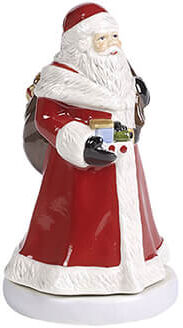
Villeroy & Boch Nostalgic Melody Turning Santa Music BoxBring the magic of Christmas to life with this charming Nostalgic Melody music box from Villeroy & Boch. Featuring a finely detailed, rotating Santa Claus figurine and a built-in wind-up mechanism that plays “Santa Claus Is Coming to Town,” this decorative piece captures the warmth and wonder of the festive season. Crafted from high-quality porcelain, it's a treasured keepsake that adds joy to every Christmas celebration. Dimensions: 8.7cm (L) x 8.6cm (W) x 15cm (H). Weight: 0.10kg.35,01 £*Shipping: 3,50 £Secure redirect to the provider
-
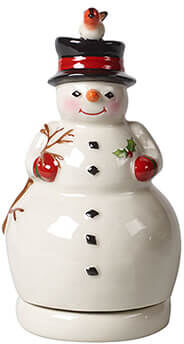
Villeroy & Boch Nostalgic Melody Turning Snowman Music BoxCelebrate the spirit of the season with this charming Nostalgic Melody music box from Villeroy & Boch. Featuring a cheerful snowman that gently rotates to the classic tune Jingle Bells, it brings festive cheer to your home with every turn. Expertly crafted from high-quality porcelain, it makes a delightful addition to your Christmas decorations or a thoughtful gift for collectors. Dimensions: 8cm (L) x 8cm (W) x 15cm (H). Weight: 0.35kg.35,01 £*Shipping: 3,50 £Secure redirect to the provider
-
Villeroy & Boch Nostalgic Melody Turning Nutcracker Music BoxBring timeless elegance to your festive décor with the Nostalgic Melody Turning Nutcracker Music Box from Villeroy & Boch. This beautifully detailed porcelain figurine slowly rotates to Waltz of the Flowers, filling your home with the enchanting charm of a classic Christmas ballet. A treasured keepsake or gift that brings joy year after year. Dimensions: 9cm (L) x 9cm (W) x 14.6cm (H). Weight: 0.46kg.35,01 £*Shipping: 3,50 £Secure redirect to the provider
-
Villeroy & Boch Nostalgic Melody Turning Christmas Tree Music BoxThe Villeroy & Boch Nostalgic Melody Turning Christmas Tree Music Box adds festive charm to your home with its intricate hand-painted design and durable ceramic construction. Bring the spirit of the season into your space with this compact decoration, perfect for tabletops or mantels. Its sturdy base ensures stability, allowing you to showcase it confidently throughout the holidays. Simply twist the key to start the festive tune and set your tree up on display to immerse yourself in the merriment of Christmas. Whether it is placed on a dining table, coffee table or displayed on a mantlepiece, this music box will perfectly compliment other pieces from the Nostalgic Melody range. Made from premium Porcelain. Dimensions: 16.2(H) cm. Hand washing recommended. Weight: 0.5kg.37,71 £*Shipping: 3,50 £Secure redirect to the provider
-
What are motivic processing techniques in music?
Motivic processing techniques in music involve the manipulation and development of a musical motif or short musical idea. This can include techniques such as fragmentation, where the motif is broken down into smaller parts, or augmentation, where the motif is lengthened. Other techniques include inversion, retrograde, and transposition, which involve altering the pitch or rhythm of the motif. These techniques are used to create variation and development within a piece of music, adding interest and complexity to the composition. **
-
What is the difference between continuation and development in the motivic-thematic technique in music?
Continuation in motivic-thematic technique refers to the repetition or variation of a musical idea without significant change, maintaining the original character and structure of the motif. On the other hand, development involves transforming the motif through various techniques such as fragmentation, augmentation, diminution, or modulation, creating new material while still retaining elements of the original motif. Continuation tends to reinforce the motif's identity, while development explores different possibilities and expands upon the initial idea, adding depth and complexity to the music. **
-
What is the difference between continuation and development in the motivic-thematic process in music?
Continuation in the motivic-thematic process refers to the repetition or variation of a musical idea without significant change or progression. It maintains the same melodic or rhythmic material, often creating a sense of stability or repetition within the music. On the other hand, development involves the transformation and elaboration of a musical idea, introducing new elements and exploring different variations of the original motif. This process creates a sense of growth and evolution within the music, often leading to new and unexpected musical directions. **
-
What is the difference between harmony and melody?
Harmony refers to the combination of different musical notes played or sung simultaneously to create a pleasing sound. It involves the use of chords and the relationship between different notes played together. On the other hand, melody is a sequence of single notes that are perceived as a single entity. It is the main theme or tune of a piece of music and is usually the most memorable part of a song. In summary, harmony involves the combination of notes played together, while melody is a sequence of single notes that form the main theme of a piece of music. **
Similar search terms for Motivic
-
Momeni Harmony Hand Tufted Wool Traditional Floral Area RugOrnate goldtone scrolls and scallop accents reflect the gilded grandeur of French baroque style, in this area rug. The antique-style embellishments add ornamental flourish to floors throughout your space.83,51 $*Shipping: 0,00 $Secure redirect to the provider
-
Momeni Harmony Hand Tufted Wool Traditional Floral Area Rug.Decorate your home with this alluring medallion patterned area rug. The antique-style embellishment of this traditional area rug adds ornamental flourish to floors throughout the home.72,92 $*Shipping: 0,00 $Secure redirect to the provider
-
Momeni Harmony Hand Tufted Wool Traditional Floral Area RugOrnate goldtone scrolls and scallop accents reflect the gilded grandeur of French baroque style, in this area rug. The antique-style embellishments add ornamental flourish to floors throughout your space.78,48 $*Shipping: 0,00 $Secure redirect to the provider
-
Momeni Harmony Hand Tufted Wool Traditional Floral Area Rug.Decorate your home with this alluring medallion patterned area rug. The antique-style embellishment of this traditional area rug adds ornamental flourish to floors throughout the home.234,99 $*Shipping: 0,00 $Secure redirect to the provider
-
Which string instrument has the most strings?
The string instrument with the most strings is typically the harp. A standard concert harp can have up to 47 strings, although some harps can have even more. The large number of strings allows for a wide range of notes and tones to be produced, making the harp a versatile and expressive instrument. **
-
Which string instrument had the most strings?
The string instrument with the most strings is typically the harp. A standard concert harp has 47 strings, although some models can have up to 47 strings. The harp's large number of strings allows for a wide range of notes and tones to be produced, making it a versatile and expressive instrument. **
-
What is folk music?
Folk music is a genre of music that is passed down orally from generation to generation within a community or culture. It often reflects the traditions, customs, and values of a particular group of people. Folk music can encompass a wide range of styles and instruments, and it is typically characterized by its simplicity and authenticity. This genre of music has deep roots in history and is an important part of many cultures around the world. **
-
Does it belong more to rhythm, melody, and harmony?
The concept of harmony is most closely related to the interaction of different notes and chords in music. Harmony refers to the simultaneous sounding of different pitches to create a pleasing sound. While rhythm and melody are also important elements in music, harmony specifically deals with the vertical aspect of music, focusing on how notes and chords interact with each other. Therefore, harmony belongs more to the realm of harmony itself. **
* All prices are inclusive of VAT and, if applicable, plus shipping costs. The offer information is based on the details provided by the respective shop and is updated through automated processes. Real-time updates do not occur, so deviations can occur in individual cases. ** Note: Parts of this content were created by AI.