Buy erhu.eu ?
We are moving the project
erhu.eu .
Are you interested in purchasing the domain
erhu.eu ?
domain@kv-gmbh.de · 0541-91531010
Buy erhu.eu ?
Do Chinese characters and Japanese Kanji have the same meaning?
Chinese characters and Japanese Kanji share a common origin, but they do not always have the exact same meaning. While many characters have similar meanings in both languages, there are also differences in how they are used and pronounced. Additionally, the two languages have evolved separately over time, leading to variations in the meanings and usage of certain characters. Overall, there is a significant overlap in the meanings of Chinese characters and Japanese Kanji, but they are not always identical. **
Are the Kanji characters the same in Chinese and Japanese?
No, Kanji characters are not exactly the same in Chinese and Japanese. While both languages use Kanji characters, they can have different meanings and pronunciations in each language. Additionally, the writing style and stroke order may also differ between Chinese and Japanese Kanji characters. **
Similar search terms for Kanji
Top-Angebote
Products related to Kanji:
-
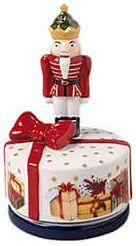
Villeroy & Boch Nostalgic Melody Turning Nutcracker Music BoxBring timeless elegance to your festive décor with the Nostalgic Melody Turning Nutcracker Music Box from Villeroy & Boch. This beautifully detailed porcelain figurine slowly rotates to Waltz of the Flowers, filling your home with the enchanting charm of a classic Christmas ballet. A treasured keepsake or gift that brings joy year after year. Dimensions: 9cm (L) x 9cm (W) x 14.6cm (H). Weight: 0.46kg.35,01 £*Shipping: 3,50 £Secure redirect to the provider
-
Villeroy & Boch Nostalgic Melody Turning Christmas Tree Music BoxThe Villeroy & Boch Nostalgic Melody Turning Christmas Tree Music Box adds festive charm to your home with its intricate hand-painted design and durable ceramic construction. Bring the spirit of the season into your space with this compact decoration, perfect for tabletops or mantels. Its sturdy base ensures stability, allowing you to showcase it confidently throughout the holidays. Simply twist the key to start the festive tune and set your tree up on display to immerse yourself in the merriment of Christmas. Whether it is placed on a dining table, coffee table or displayed on a mantlepiece, this music box will perfectly compliment other pieces from the Nostalgic Melody range. Made from premium Porcelain. Dimensions: 16.2(H) cm. Hand washing recommended. Weight: 0.5kg.37,71 £*Shipping: 3,50 £Secure redirect to the provider
-
World Rug Gallery Traditional Folk Floral Power Loomed Indoor Area RugDetails: Add lasting style to your home with this Ivory Cream Traditional Folk Floral Area Rug. The classic ivory botanical floral design pairs effortlessly with virtually any decor, making it a natural fit for your living room, bedroom, or entryway.147,99 $*Shipping: 0,00 $Secure redirect to the provider
-
Momeni Harmony Hand Tufted Wool Traditional Floral Area Rug.Decorate your home with this alluring medallion patterned area rug. The antique-style embellishment of this traditional area rug adds ornamental flourish to floors throughout the home.160,91 $*Shipping: 0,00 $Secure redirect to the provider


-
Does a Japanese or Chinese person know all kanji by heart?
No, not all Japanese or Chinese people know all kanji by heart. Kanji is a complex writing system with thousands of characters, and it takes years of study and practice to become proficient in recognizing and writing them all. While many Japanese and Chinese people have a strong grasp of a large number of kanji characters, it is not common for individuals to know every single one. Learning kanji is an ongoing process that requires continuous effort and dedication. **
-
Does a Japanese or Chinese person know all Kanji by heart?
No, not all Japanese or Chinese people know all Kanji characters by heart. Kanji is a complex writing system with thousands of characters, and it takes years of study and practice to become proficient in recognizing and using them. While educated individuals in Japan and China may have a strong command of a large number of Kanji characters, it is unlikely that they know every single one. Learning Kanji is a lifelong process that requires continuous effort and practice. **
-
Which kanji represents "dream"?
The kanji that represents "dream" is 夢. It is pronounced as "yume" in Japanese. This kanji is often used in words related to dreams, aspirations, and imagination. It is a common symbol in Japanese culture and literature. **
-
Where is Kanji spoken?
Kanji is a system of writing used in the Japanese language. It is not a spoken language itself, but rather a writing system that is used alongside the spoken Japanese language. Kanji characters are used in Japan and are an integral part of the Japanese writing system, along with hiragana and katakana. Therefore, Kanji is spoken in Japan as part of the Japanese language. **


What are Kanji in Japanese?
Kanji are characters borrowed from Chinese characters that are used in the Japanese writing system. They are logographic characters that represent words or ideas, and are an essential part of written Japanese. Kanji characters can have multiple readings and meanings, which can make them challenging to learn and use. Learning Kanji is an important aspect of mastering the Japanese language. **
How many Kanji per day?
The number of Kanji characters a person can learn per day varies depending on individual learning abilities and dedication. Some people may be able to learn 5-10 Kanji characters per day, while others may find it more manageable to learn 1-3 characters per day. It is important to find a pace that works best for you and allows for consistent practice and retention of the characters. Consistency and regular practice are key to successfully learning Kanji characters. **
Top-Angebote
Products related to Kanji:
-
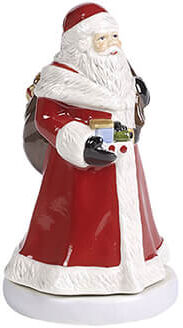
Villeroy & Boch Nostalgic Melody Turning Santa Music BoxBring the magic of Christmas to life with this charming Nostalgic Melody music box from Villeroy & Boch. Featuring a finely detailed, rotating Santa Claus figurine and a built-in wind-up mechanism that plays “Santa Claus Is Coming to Town,” this decorative piece captures the warmth and wonder of the festive season. Crafted from high-quality porcelain, it's a treasured keepsake that adds joy to every Christmas celebration. Dimensions: 8.7cm (L) x 8.6cm (W) x 15cm (H). Weight: 0.10kg.35,01 £*Shipping: 3,50 £Secure redirect to the provider
-
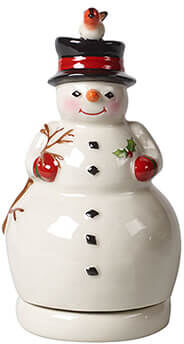
Villeroy & Boch Nostalgic Melody Turning Snowman Music BoxCelebrate the spirit of the season with this charming Nostalgic Melody music box from Villeroy & Boch. Featuring a cheerful snowman that gently rotates to the classic tune Jingle Bells, it brings festive cheer to your home with every turn. Expertly crafted from high-quality porcelain, it makes a delightful addition to your Christmas decorations or a thoughtful gift for collectors. Dimensions: 8cm (L) x 8cm (W) x 15cm (H). Weight: 0.35kg.35,01 £*Shipping: 3,50 £Secure redirect to the provider
-
Villeroy & Boch Nostalgic Melody Turning Nutcracker Music BoxBring timeless elegance to your festive décor with the Nostalgic Melody Turning Nutcracker Music Box from Villeroy & Boch. This beautifully detailed porcelain figurine slowly rotates to Waltz of the Flowers, filling your home with the enchanting charm of a classic Christmas ballet. A treasured keepsake or gift that brings joy year after year. Dimensions: 9cm (L) x 9cm (W) x 14.6cm (H). Weight: 0.46kg.35,01 £*Shipping: 3,50 £Secure redirect to the provider
-
Villeroy & Boch Nostalgic Melody Turning Christmas Tree Music BoxThe Villeroy & Boch Nostalgic Melody Turning Christmas Tree Music Box adds festive charm to your home with its intricate hand-painted design and durable ceramic construction. Bring the spirit of the season into your space with this compact decoration, perfect for tabletops or mantels. Its sturdy base ensures stability, allowing you to showcase it confidently throughout the holidays. Simply twist the key to start the festive tune and set your tree up on display to immerse yourself in the merriment of Christmas. Whether it is placed on a dining table, coffee table or displayed on a mantlepiece, this music box will perfectly compliment other pieces from the Nostalgic Melody range. Made from premium Porcelain. Dimensions: 16.2(H) cm. Hand washing recommended. Weight: 0.5kg.37,71 £*Shipping: 3,50 £Secure redirect to the provider
-
Do Chinese characters and Japanese Kanji have the same meaning?
Chinese characters and Japanese Kanji share a common origin, but they do not always have the exact same meaning. While many characters have similar meanings in both languages, there are also differences in how they are used and pronounced. Additionally, the two languages have evolved separately over time, leading to variations in the meanings and usage of certain characters. Overall, there is a significant overlap in the meanings of Chinese characters and Japanese Kanji, but they are not always identical. **
-
Are the Kanji characters the same in Chinese and Japanese?
No, Kanji characters are not exactly the same in Chinese and Japanese. While both languages use Kanji characters, they can have different meanings and pronunciations in each language. Additionally, the writing style and stroke order may also differ between Chinese and Japanese Kanji characters. **
-
Does a Japanese or Chinese person know all kanji by heart?
No, not all Japanese or Chinese people know all kanji by heart. Kanji is a complex writing system with thousands of characters, and it takes years of study and practice to become proficient in recognizing and writing them all. While many Japanese and Chinese people have a strong grasp of a large number of kanji characters, it is not common for individuals to know every single one. Learning kanji is an ongoing process that requires continuous effort and dedication. **
-
Does a Japanese or Chinese person know all Kanji by heart?
No, not all Japanese or Chinese people know all Kanji characters by heart. Kanji is a complex writing system with thousands of characters, and it takes years of study and practice to become proficient in recognizing and using them. While educated individuals in Japan and China may have a strong command of a large number of Kanji characters, it is unlikely that they know every single one. Learning Kanji is a lifelong process that requires continuous effort and practice. **
Similar search terms for Kanji
-
World Rug Gallery Traditional Folk Floral Power Loomed Indoor Area RugDetails: Add lasting style to your home with this Ivory Cream Traditional Folk Floral Area Rug. The classic ivory botanical floral design pairs effortlessly with virtually any decor, making it a natural fit for your living room, bedroom, or entryway.147,99 $*Shipping: 0,00 $Secure redirect to the provider
-
Momeni Harmony Hand Tufted Wool Traditional Floral Area Rug.Decorate your home with this alluring medallion patterned area rug. The antique-style embellishment of this traditional area rug adds ornamental flourish to floors throughout the home.160,91 $*Shipping: 0,00 $Secure redirect to the provider
-
Momeni Harmony Hand Tufted Wool Traditional Floral Area RugOrnate goldtone scrolls and scallop accents reflect the gilded grandeur of French baroque style, in this area rug. The antique-style embellishments add ornamental flourish to floors throughout your space.167,49 $*Shipping: 0,00 $Secure redirect to the provider
-
Uplifted Finds Korean Traditional Folk Game Set Family Travel Play Kit bBring generations together with this Korean traditional folk game set featuring classic childhood games enjoyed across Korea. This cultural play kit includes multiple timeless games that encourage movement strategy and family interaction making it...63,97 $*Shipping: 0,00 $Secure redirect to the provider
-
Which kanji represents "dream"?
The kanji that represents "dream" is 夢. It is pronounced as "yume" in Japanese. This kanji is often used in words related to dreams, aspirations, and imagination. It is a common symbol in Japanese culture and literature. **
-
Where is Kanji spoken?
Kanji is a system of writing used in the Japanese language. It is not a spoken language itself, but rather a writing system that is used alongside the spoken Japanese language. Kanji characters are used in Japan and are an integral part of the Japanese writing system, along with hiragana and katakana. Therefore, Kanji is spoken in Japan as part of the Japanese language. **
-
What are Kanji in Japanese?
Kanji are characters borrowed from Chinese characters that are used in the Japanese writing system. They are logographic characters that represent words or ideas, and are an essential part of written Japanese. Kanji characters can have multiple readings and meanings, which can make them challenging to learn and use. Learning Kanji is an important aspect of mastering the Japanese language. **
-
How many Kanji per day?
The number of Kanji characters a person can learn per day varies depending on individual learning abilities and dedication. Some people may be able to learn 5-10 Kanji characters per day, while others may find it more manageable to learn 1-3 characters per day. It is important to find a pace that works best for you and allows for consistent practice and retention of the characters. Consistency and regular practice are key to successfully learning Kanji characters. **
* All prices are inclusive of VAT and, if applicable, plus shipping costs. The offer information is based on the details provided by the respective shop and is updated through automated processes. Real-time updates do not occur, so deviations can occur in individual cases. ** Note: Parts of this content were created by AI.