Buy erhu.eu ?
We are moving the project
erhu.eu .
Are you interested in purchasing the domain
erhu.eu ?
domain@kv-gmbh.de · 0541-91531010
Buy erhu.eu ?
Does PTFE belong to the PFAS?
Yes, PTFE (polytetrafluoroethylene) belongs to the class of PFAS (per- and polyfluoroalkyl substances). PFAS are a group of man-made chemicals that are widely used in various industrial and consumer products due to their water and oil repellent properties. PTFE is commonly known for its use in non-stick cookware, waterproof clothing, and as a coating for food packaging. However, it is important to note that not all PFAS chemicals are the same, and their potential health and environmental impacts can vary. **
Why is Teflon PTFE a dipole?
Teflon PTFE is a dipole because it has a non-uniform distribution of charge within the molecule. The carbon-fluorine bonds in PTFE are highly polar, with the fluorine atoms pulling electron density towards themselves, creating a partial negative charge on the fluorine and a partial positive charge on the carbon. This uneven distribution of charge creates a dipole moment, making PTFE a dipole. As a result, PTFE molecules have a positive and negative end, allowing them to interact with other polar molecules through dipole-dipole interactions. **


Similar search terms for KROON-OIL-40011-PTFE
Top-Angebote
Products related to KROON-OIL-40011-PTFE:
-
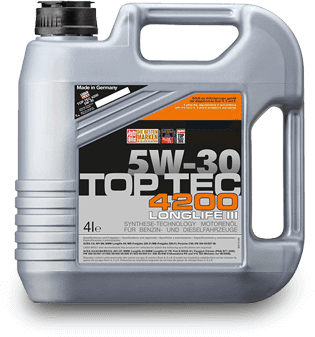
KROON OIL 02220 Engine oilCapacity [litre]: 1; Container Type: Bottle; Engine Features/Arrangement: 2-Stroke; Vehicle type: Motorcycle; Specification: API TC, JASO FD, ISO-L-EGD; Manufacturer recommendations: GLOBAL GD, Husqvarna 272; Product line: Maestrol; API: API TC; JASO: JASO FD; Liquid: ; Fill quantity [l]: 310,49 £*Shipping: 8,45 £Secure redirect to the provider
-
KROON OIL 02206 Engine oilCapacity [litre]: 1; Oil Viscosity Classification SAE: 10W-40; Container Type: Bottle; Vehicle type: Car; Specification: ACEA A3/B4, API SL, API CF; Manufacturer recommendations: MB 229.1, VW 501 01, VW 505 00; Product line: Torsynth; Oil: Part Synthetic Oil; ACEA: ACEA A3/B4; API: API SL, API CF; Liquid:7,29 £*Shipping: 8,45 £Secure redirect to the provider
-
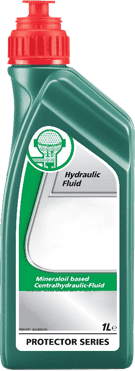
KROON OIL 02314 Hydraulic OilOil: Mineral Oil; ISO viscosity class: VG 32; Vehicle type: tractor; Capacity [litre]: 5; Container Type: Canister; Vehicle Equipment: for vehicles with hydraulic auxiliary drive; Manufacturer recommendations: Afnor NF E 48-603 HV, ASTM D 6158 HV, Chincinnati P-68, Denison HF-2, DIN 51524-3 HVLP, GM LS-2, ISO 11158 HV; Product line: Perlus; Version: H 32; Liquid:32,99 £*Shipping: 8,45 £Secure redirect to the provider


-
Is the PTFE rod of poor quality?
Without specific information about the PTFE rod in question, it is difficult to determine its quality. PTFE is known for its high chemical resistance, low friction, and non-stick properties, making it a popular material for various applications. However, the quality of a PTFE rod can vary depending on factors such as manufacturing processes, material purity, and adherence to industry standards. It is important to consider these factors and potentially conduct testing or seek certification to ensure the quality of the PTFE rod. **
-
What are the intermolecular forces in PTFE?
PTFE (polytetrafluoroethylene) is a nonpolar molecule, so the dominant intermolecular forces are London dispersion forces. These forces result from temporary dipoles that occur due to the movement of electrons within the molecule. As a result, PTFE has a very low coefficient of friction and is highly resistant to chemical attack, making it an excellent material for non-stick coatings and other applications where low friction and chemical resistance are important. **
-
Can I cut a long PTFE rod myself?
Yes, you can cut a long PTFE rod yourself. PTFE (polytetrafluoroethylene) is a soft and easily machinable material, so it can be cut using a sharp knife, saw, or other cutting tools. Make sure to measure and mark the rod accurately before cutting to ensure a clean and precise cut. Additionally, it is recommended to wear appropriate safety gear such as gloves and eye protection while cutting PTFE. **
-
Can a bridge piercing be replaced with PTFE?
No, a bridge piercing should not be replaced with PTFE. PTFE, also known as Teflon, is a flexible and non-metallic material that is not suitable for initial piercings or as jewelry in healed piercings. It is important to use appropriate materials for body piercings to minimize the risk of irritation, infection, and other complications. It is best to consult with a professional piercer for advice on suitable jewelry for a bridge piercing. **
When can PTFE be replaced with titanium again?
PTFE can be replaced with titanium when the application requires a material with higher strength, durability, and resistance to corrosion. Titanium is a much stronger material than PTFE and can withstand higher temperatures and pressures, making it suitable for more demanding industrial and engineering applications. Additionally, titanium is biocompatible and often used in medical implants, making it a suitable replacement for PTFE in certain medical devices. **
Can I cut a long PTFE rod by myself?
Yes, you can cut a long PTFE (polytetrafluoroethylene) rod by yourself. PTFE is a relatively soft and easy-to-cut material, so it can be cut using a sharp knife, saw, or other cutting tools. However, it is important to take proper safety precautions and use appropriate tools to ensure a clean and precise cut. Additionally, it is recommended to wear protective gear such as gloves and eye protection while cutting PTFE to prevent any potential injuries. **
Top-Angebote
Products related to KROON-OIL-40011-PTFE:
-
KROON OIL 02220 Engine oilCapacity [litre]: 1; Container Type: Bottle; Engine Features/Arrangement: 2-Stroke; Vehicle type: Motorcycle; Specification: API TC, JASO FD, ISO-L-EGD; Manufacturer recommendations: GLOBAL GD, Husqvarna 272; Product line: Maestrol; API: API TC; JASO: JASO FD; Liquid: ; Fill quantity [l]: 310,49 £*Shipping: 8,45 £Secure redirect to the provider
-
KROON OIL 02206 Engine oilCapacity [litre]: 1; Oil Viscosity Classification SAE: 10W-40; Container Type: Bottle; Vehicle type: Car; Specification: ACEA A3/B4, API SL, API CF; Manufacturer recommendations: MB 229.1, VW 501 01, VW 505 00; Product line: Torsynth; Oil: Part Synthetic Oil; ACEA: ACEA A3/B4; API: API SL, API CF; Liquid:7,29 £*Shipping: 8,45 £Secure redirect to the provider
-
Does PTFE belong to the PFAS?
Yes, PTFE (polytetrafluoroethylene) belongs to the class of PFAS (per- and polyfluoroalkyl substances). PFAS are a group of man-made chemicals that are widely used in various industrial and consumer products due to their water and oil repellent properties. PTFE is commonly known for its use in non-stick cookware, waterproof clothing, and as a coating for food packaging. However, it is important to note that not all PFAS chemicals are the same, and their potential health and environmental impacts can vary. **
-
Why is Teflon PTFE a dipole?
Teflon PTFE is a dipole because it has a non-uniform distribution of charge within the molecule. The carbon-fluorine bonds in PTFE are highly polar, with the fluorine atoms pulling electron density towards themselves, creating a partial negative charge on the fluorine and a partial positive charge on the carbon. This uneven distribution of charge creates a dipole moment, making PTFE a dipole. As a result, PTFE molecules have a positive and negative end, allowing them to interact with other polar molecules through dipole-dipole interactions. **
-
Is the PTFE rod of poor quality?
Without specific information about the PTFE rod in question, it is difficult to determine its quality. PTFE is known for its high chemical resistance, low friction, and non-stick properties, making it a popular material for various applications. However, the quality of a PTFE rod can vary depending on factors such as manufacturing processes, material purity, and adherence to industry standards. It is important to consider these factors and potentially conduct testing or seek certification to ensure the quality of the PTFE rod. **
-
What are the intermolecular forces in PTFE?
PTFE (polytetrafluoroethylene) is a nonpolar molecule, so the dominant intermolecular forces are London dispersion forces. These forces result from temporary dipoles that occur due to the movement of electrons within the molecule. As a result, PTFE has a very low coefficient of friction and is highly resistant to chemical attack, making it an excellent material for non-stick coatings and other applications where low friction and chemical resistance are important. **
Similar search terms for KROON-OIL-40011-PTFE
-
KROON OIL 02314 Hydraulic OilOil: Mineral Oil; ISO viscosity class: VG 32; Vehicle type: tractor; Capacity [litre]: 5; Container Type: Canister; Vehicle Equipment: for vehicles with hydraulic auxiliary drive; Manufacturer recommendations: Afnor NF E 48-603 HV, ASTM D 6158 HV, Chincinnati P-68, Denison HF-2, DIN 51524-3 HVLP, GM LS-2, ISO 11158 HV; Product line: Perlus; Version: H 32; Liquid:32,99 £*Shipping: 8,45 £Secure redirect to the provider
-
KROON OIL 32035 Hydraulic OilOil: Mineral Oil; ISO viscosity class: VG 46; Capacity [litre]: 20; Container Type: Canister; Vehicle Equipment: for vehicles with hydraulic system; Specification: Afnor NF E 48-603 HV, ASTM D 6158 HV; Manufacturer recommendations: Cincinnati P-70, Denison HF-0, Denison HF-1, Denison HF-2, Eaton M-2950-S, Eaton I-286-S3, GB 11118.1, GM LS-2; DIN/ISO: DIN 51524-3 HVLP, ISO 11158 HV; Product line: Perlus; Version: H 46; Liquid:84,49 £*Shipping: 8,45 £Secure redirect to the provider
-
KROON OIL 32038 Hydraulic OilOil: Mineral Oil; ISO viscosity class: VG 100; Capacity [litre]: 20; Container Type: Canister; Vehicle Equipment: for vehicles with hydraulic system; Specification: Afnor NF E 48-603 HV, ASTM D 6158 HM; DIN/ISO: DIN 51524-2 HLP, ISO 11158 HM, ISO 6743-4 HM, ISO 6743-3 DVC; Product line: Perlus; Version: AF 100; Liquid:93,49 £*Shipping: 8,45 £Secure redirect to the provider
-
Can I cut a long PTFE rod myself?
Yes, you can cut a long PTFE rod yourself. PTFE (polytetrafluoroethylene) is a soft and easily machinable material, so it can be cut using a sharp knife, saw, or other cutting tools. Make sure to measure and mark the rod accurately before cutting to ensure a clean and precise cut. Additionally, it is recommended to wear appropriate safety gear such as gloves and eye protection while cutting PTFE. **
-
Can a bridge piercing be replaced with PTFE?
No, a bridge piercing should not be replaced with PTFE. PTFE, also known as Teflon, is a flexible and non-metallic material that is not suitable for initial piercings or as jewelry in healed piercings. It is important to use appropriate materials for body piercings to minimize the risk of irritation, infection, and other complications. It is best to consult with a professional piercer for advice on suitable jewelry for a bridge piercing. **
-
When can PTFE be replaced with titanium again?
PTFE can be replaced with titanium when the application requires a material with higher strength, durability, and resistance to corrosion. Titanium is a much stronger material than PTFE and can withstand higher temperatures and pressures, making it suitable for more demanding industrial and engineering applications. Additionally, titanium is biocompatible and often used in medical implants, making it a suitable replacement for PTFE in certain medical devices. **
-
Can I cut a long PTFE rod by myself?
Yes, you can cut a long PTFE (polytetrafluoroethylene) rod by yourself. PTFE is a relatively soft and easy-to-cut material, so it can be cut using a sharp knife, saw, or other cutting tools. However, it is important to take proper safety precautions and use appropriate tools to ensure a clean and precise cut. Additionally, it is recommended to wear protective gear such as gloves and eye protection while cutting PTFE to prevent any potential injuries. **
* All prices are inclusive of VAT and, if applicable, plus shipping costs. The offer information is based on the details provided by the respective shop and is updated through automated processes. Real-time updates do not occur, so deviations can occur in individual cases. ** Note: Parts of this content were created by AI.