Buy erhu.eu ?
We are moving the project
erhu.eu .
Are you interested in purchasing the domain
erhu.eu ?
domain@kv-gmbh.de · 0541-91531010
Buy erhu.eu ?
Is a pendulum an isotope?
No, a pendulum is not an isotope. A pendulum is a weight suspended from a pivot so that it can swing freely back and forth. On the other hand, an isotope is a variant of a chemical element that has the same number of protons but a different number of neutrons in its nucleus. They are two different concepts in physics and chemistry. **
What is the Isotope Rule?
The Isotope Rule states that atoms of the same element can have different numbers of neutrons, resulting in different isotopes of that element. Isotopes of an element have the same number of protons but different numbers of neutrons, leading to variations in atomic mass. This rule helps to explain why some elements have multiple atomic masses and why they can exist in different forms with different properties. **

Similar search terms for Isotope
Top-Angebote
Products related to Isotope:
-
Villeroy & Boch Nostalgic Melody Turning Nutcracker Music BoxBring timeless elegance to your festive décor with the Nostalgic Melody Turning Nutcracker Music Box from Villeroy & Boch. This beautifully detailed porcelain figurine slowly rotates to Waltz of the Flowers, filling your home with the enchanting charm of a classic Christmas ballet. A treasured keepsake or gift that brings joy year after year. Dimensions: 9cm (L) x 9cm (W) x 14.6cm (H). Weight: 0.46kg.35,01 £*Shipping: 3,50 £Secure redirect to the provider

-
Is a pendulum a isotope?
No, a pendulum is not an isotope. An isotope is a variant of a particular chemical element which has the same number of protons but a different number of neutrons. A pendulum, on the other hand, is a weight suspended from a pivot so that it can swing freely back and forth. It is a simple mechanical device used to measure time or demonstrate principles of physics. **
-
What is an isotope in chemistry?
Isotopes are atoms of the same element that have the same number of protons but different numbers of neutrons. This results in isotopes having the same atomic number but different atomic masses. Isotopes can have different physical properties, such as stability and radioactivity, due to their varying numbers of neutrons. They are commonly used in various applications, including radiometric dating, nuclear medicine, and tracing chemical reactions. **
-
How is the isotope ratio calculated?
The isotope ratio is calculated by comparing the abundance of different isotopes of an element in a sample. This is typically done using mass spectrometry, which separates the isotopes based on their mass-to-charge ratio. The ratio is then calculated by comparing the intensity of the peaks corresponding to the different isotopes. The resulting ratio provides valuable information about the origin and history of the sample, and can be used in various fields such as geology, archaeology, and environmental science. **
-
How does an isotope become unstable?
An isotope becomes unstable when the balance between the strong nuclear force and the electromagnetic force within the nucleus is disrupted. This can happen when the nucleus contains too many or too few neutrons compared to the number of protons, leading to an imbalance in the forces holding the nucleus together. As a result, the nucleus may undergo radioactive decay in order to achieve a more stable configuration, releasing energy in the form of radiation. **
Is a simple pendulum an isotope?
No, a simple pendulum is not an isotope. An isotope is a variant of a chemical element that has the same number of protons but a different number of neutrons in its nucleus. On the other hand, a simple pendulum is a physical system consisting of a mass (bob) attached to a string or rod that swings back and forth under the influence of gravity. The two concepts are unrelated and refer to different scientific phenomena. **
What is the isotope in the periodic table?
Isotopes are variants of a particular chemical element which have the same number of protons but different numbers of neutrons in their nuclei. They are denoted by the element's name followed by a hyphen and the mass number. For example, carbon-12 and carbon-14 are isotopes of carbon. Isotopes can have different physical properties and behaviors due to their differing atomic masses. **
Top-Angebote
Products related to Isotope:
-
Villeroy & Boch Nostalgic Melody Turning Santa Music BoxBring the magic of Christmas to life with this charming Nostalgic Melody music box from Villeroy & Boch. Featuring a finely detailed, rotating Santa Claus figurine and a built-in wind-up mechanism that plays “Santa Claus Is Coming to Town,” this decorative piece captures the warmth and wonder of the festive season. Crafted from high-quality porcelain, it's a treasured keepsake that adds joy to every Christmas celebration. Dimensions: 8.7cm (L) x 8.6cm (W) x 15cm (H). Weight: 0.10kg.35,01 £*Shipping: 3,50 £Secure redirect to the provider
-
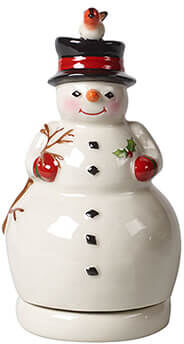
Villeroy & Boch Nostalgic Melody Turning Snowman Music BoxCelebrate the spirit of the season with this charming Nostalgic Melody music box from Villeroy & Boch. Featuring a cheerful snowman that gently rotates to the classic tune Jingle Bells, it brings festive cheer to your home with every turn. Expertly crafted from high-quality porcelain, it makes a delightful addition to your Christmas decorations or a thoughtful gift for collectors. Dimensions: 8cm (L) x 8cm (W) x 15cm (H). Weight: 0.35kg.35,01 £*Shipping: 3,50 £Secure redirect to the provider
-
Villeroy & Boch Nostalgic Melody Turning Nutcracker Music BoxBring timeless elegance to your festive décor with the Nostalgic Melody Turning Nutcracker Music Box from Villeroy & Boch. This beautifully detailed porcelain figurine slowly rotates to Waltz of the Flowers, filling your home with the enchanting charm of a classic Christmas ballet. A treasured keepsake or gift that brings joy year after year. Dimensions: 9cm (L) x 9cm (W) x 14.6cm (H). Weight: 0.46kg.35,01 £*Shipping: 3,50 £Secure redirect to the provider
-
Is a pendulum an isotope?
No, a pendulum is not an isotope. A pendulum is a weight suspended from a pivot so that it can swing freely back and forth. On the other hand, an isotope is a variant of a chemical element that has the same number of protons but a different number of neutrons in its nucleus. They are two different concepts in physics and chemistry. **
-
What is the Isotope Rule?
The Isotope Rule states that atoms of the same element can have different numbers of neutrons, resulting in different isotopes of that element. Isotopes of an element have the same number of protons but different numbers of neutrons, leading to variations in atomic mass. This rule helps to explain why some elements have multiple atomic masses and why they can exist in different forms with different properties. **
-
Is a pendulum a isotope?
No, a pendulum is not an isotope. An isotope is a variant of a particular chemical element which has the same number of protons but a different number of neutrons. A pendulum, on the other hand, is a weight suspended from a pivot so that it can swing freely back and forth. It is a simple mechanical device used to measure time or demonstrate principles of physics. **
-
What is an isotope in chemistry?
Isotopes are atoms of the same element that have the same number of protons but different numbers of neutrons. This results in isotopes having the same atomic number but different atomic masses. Isotopes can have different physical properties, such as stability and radioactivity, due to their varying numbers of neutrons. They are commonly used in various applications, including radiometric dating, nuclear medicine, and tracing chemical reactions. **
Similar search terms for Isotope
-
How is the isotope ratio calculated?
The isotope ratio is calculated by comparing the abundance of different isotopes of an element in a sample. This is typically done using mass spectrometry, which separates the isotopes based on their mass-to-charge ratio. The ratio is then calculated by comparing the intensity of the peaks corresponding to the different isotopes. The resulting ratio provides valuable information about the origin and history of the sample, and can be used in various fields such as geology, archaeology, and environmental science. **
-
How does an isotope become unstable?
An isotope becomes unstable when the balance between the strong nuclear force and the electromagnetic force within the nucleus is disrupted. This can happen when the nucleus contains too many or too few neutrons compared to the number of protons, leading to an imbalance in the forces holding the nucleus together. As a result, the nucleus may undergo radioactive decay in order to achieve a more stable configuration, releasing energy in the form of radiation. **
-
Is a simple pendulum an isotope?
No, a simple pendulum is not an isotope. An isotope is a variant of a chemical element that has the same number of protons but a different number of neutrons in its nucleus. On the other hand, a simple pendulum is a physical system consisting of a mass (bob) attached to a string or rod that swings back and forth under the influence of gravity. The two concepts are unrelated and refer to different scientific phenomena. **
-
What is the isotope in the periodic table?
Isotopes are variants of a particular chemical element which have the same number of protons but different numbers of neutrons in their nuclei. They are denoted by the element's name followed by a hyphen and the mass number. For example, carbon-12 and carbon-14 are isotopes of carbon. Isotopes can have different physical properties and behaviors due to their differing atomic masses. **
* All prices are inclusive of VAT and, if applicable, plus shipping costs. The offer information is based on the details provided by the respective shop and is updated through automated processes. Real-time updates do not occur, so deviations can occur in individual cases. ** Note: Parts of this content were created by AI.