Buy erhu.eu ?
We are moving the project
erhu.eu .
Are you interested in purchasing the domain
erhu.eu ?
domain@kv-gmbh.de · 0541-91531010
Buy erhu.eu ?
Are the Huguenots fleeing?
Yes, the Huguenots are fleeing due to religious persecution in France. They are leaving their homeland to seek refuge in other countries where they can practice their Protestant faith without fear of persecution. The Huguenots are facing discrimination and violence in France, leading many to make the difficult decision to leave everything behind and start a new life elsewhere. **
Who were the Huguenots?
The Huguenots were French Protestants who were followers of John Calvin's teachings. They were a significant religious minority in France during the 16th and 17th centuries. The Huguenots faced persecution and discrimination from the Catholic majority, leading to religious wars and ultimately the revocation of the Edict of Nantes in 1685, which resulted in the mass exodus of Huguenots from France. Many Huguenots sought refuge in other countries, including England, the Netherlands, Switzerland, and the American colonies. **
Similar search terms for Huguenots
Top-Angebote
Products related to Huguenots:
-
Villeroy & Boch Nostalgic Melody Turning Nutcracker Music BoxBring timeless elegance to your festive décor with the Nostalgic Melody Turning Nutcracker Music Box from Villeroy & Boch. This beautifully detailed porcelain figurine slowly rotates to Waltz of the Flowers, filling your home with the enchanting charm of a classic Christmas ballet. A treasured keepsake or gift that brings joy year after year. Dimensions: 9cm (L) x 9cm (W) x 14.6cm (H). Weight: 0.46kg.35,01 £*Shipping: 3,50 £Secure redirect to the provider
-
Villeroy & Boch Nostalgic Melody Turning Christmas Tree Music BoxThe Villeroy & Boch Nostalgic Melody Turning Christmas Tree Music Box adds festive charm to your home with its intricate hand-painted design and durable ceramic construction. Bring the spirit of the season into your space with this compact decoration, perfect for tabletops or mantels. Its sturdy base ensures stability, allowing you to showcase it confidently throughout the holidays. Simply twist the key to start the festive tune and set your tree up on display to immerse yourself in the merriment of Christmas. Whether it is placed on a dining table, coffee table or displayed on a mantlepiece, this music box will perfectly compliment other pieces from the Nostalgic Melody range. Made from premium Porcelain. Dimensions: 16.2(H) cm. Hand washing recommended. Weight: 0.5kg.37,71 £*Shipping: 3,50 £Secure redirect to the provider
-
Momeni Harmony Hand Tufted Wool Traditional Floral Area RugOrnate goldtone scrolls and scallop accents reflect the gilded grandeur of French baroque style, in this area rug. The antique-style embellishments add ornamental flourish to floors throughout your space.83,51 $*Shipping: 0,00 $Secure redirect to the provider
-
Momeni Harmony Hand Tufted Wool Traditional Floral Area Rug.Decorate your home with this alluring medallion patterned area rug. The antique-style embellishment of this traditional area rug adds ornamental flourish to floors throughout the home.72,92 $*Shipping: 0,00 $Secure redirect to the provider


-
Were Oskar Lafontaine's ancestors Huguenots?
Yes, Oskar Lafontaine's ancestors were Huguenots. The Huguenots were French Protestants who faced persecution in France in the 16th and 17th centuries. Many Huguenots fled France to escape religious persecution, and some settled in Germany, where they became known as the French Huguenots. Oskar Lafontaine, a prominent German politician, has stated that his ancestors were Huguenots who settled in the Saarland region of Germany. **
-
Where do the Huguenots actually originate from?
The Huguenots were French Protestants who originated from the Reformation movement in the 16th century. The term "Huguenot" is believed to have been derived from the name of Besançon Hugues, a leader of the Geneva National Council. The movement gained momentum in France and faced persecution from the Catholic Church and the French monarchy, leading many Huguenots to flee the country. They sought refuge in various countries, including England, the Netherlands, Switzerland, and the American colonies, where they made significant contributions to their new societies. **
-
Why did the Huguenots flee Flanders in 1562?
The Huguenots fled Flanders in 1562 due to religious persecution. Flanders was under the control of the Spanish Inquisition, which sought to suppress Protestantism and enforce Catholicism. The Huguenots, who were French Calvinist Protestants, faced increasing persecution and violence, leading many to flee to other countries, including England, Germany, and the Netherlands, where they could practice their faith more freely. This persecution ultimately contributed to the outbreak of the French Wars of Religion. **
-
How were the Huguenots affected during the Nazi era?
During the Nazi era, the Huguenots, who were descendants of French Protestant refugees, were targeted by the Nazis due to their religious beliefs and ancestry. Many Huguenots were persecuted, arrested, and sent to concentration camps, where they faced harsh conditions and often did not survive. Their churches and communities were also targeted for destruction, leading to the loss of their cultural heritage. Overall, the Huguenots suffered greatly during the Nazi era due to their identity as a religious and ethnic minority. **


What is the difference between harmony and melody?
Harmony refers to the combination of different musical notes played or sung simultaneously to create a pleasing sound. It involves the use of chords and the relationship between different notes played together. On the other hand, melody is a sequence of single notes that are perceived as a single entity. It is the main theme or tune of a piece of music and is usually the most memorable part of a song. In summary, harmony involves the combination of notes played together, while melody is a sequence of single notes that form the main theme of a piece of music. **
Which string instrument has the most strings?
The string instrument with the most strings is typically the harp. A standard concert harp can have up to 47 strings, although some harps can have even more. The large number of strings allows for a wide range of notes and tones to be produced, making the harp a versatile and expressive instrument. **
Top-Angebote
Products related to Huguenots:
-
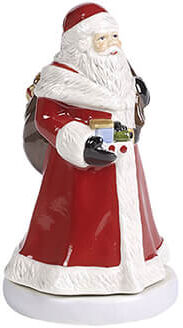
Villeroy & Boch Nostalgic Melody Turning Santa Music BoxBring the magic of Christmas to life with this charming Nostalgic Melody music box from Villeroy & Boch. Featuring a finely detailed, rotating Santa Claus figurine and a built-in wind-up mechanism that plays “Santa Claus Is Coming to Town,” this decorative piece captures the warmth and wonder of the festive season. Crafted from high-quality porcelain, it's a treasured keepsake that adds joy to every Christmas celebration. Dimensions: 8.7cm (L) x 8.6cm (W) x 15cm (H). Weight: 0.10kg.35,01 £*Shipping: 3,50 £Secure redirect to the provider
-
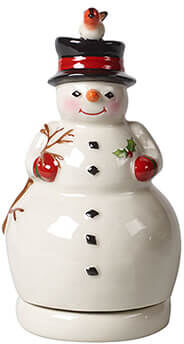
Villeroy & Boch Nostalgic Melody Turning Snowman Music BoxCelebrate the spirit of the season with this charming Nostalgic Melody music box from Villeroy & Boch. Featuring a cheerful snowman that gently rotates to the classic tune Jingle Bells, it brings festive cheer to your home with every turn. Expertly crafted from high-quality porcelain, it makes a delightful addition to your Christmas decorations or a thoughtful gift for collectors. Dimensions: 8cm (L) x 8cm (W) x 15cm (H). Weight: 0.35kg.35,01 £*Shipping: 3,50 £Secure redirect to the provider
-
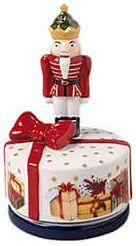
Villeroy & Boch Nostalgic Melody Turning Nutcracker Music BoxBring timeless elegance to your festive décor with the Nostalgic Melody Turning Nutcracker Music Box from Villeroy & Boch. This beautifully detailed porcelain figurine slowly rotates to Waltz of the Flowers, filling your home with the enchanting charm of a classic Christmas ballet. A treasured keepsake or gift that brings joy year after year. Dimensions: 9cm (L) x 9cm (W) x 14.6cm (H). Weight: 0.46kg.35,01 £*Shipping: 3,50 £Secure redirect to the provider
-
Villeroy & Boch Nostalgic Melody Turning Christmas Tree Music BoxThe Villeroy & Boch Nostalgic Melody Turning Christmas Tree Music Box adds festive charm to your home with its intricate hand-painted design and durable ceramic construction. Bring the spirit of the season into your space with this compact decoration, perfect for tabletops or mantels. Its sturdy base ensures stability, allowing you to showcase it confidently throughout the holidays. Simply twist the key to start the festive tune and set your tree up on display to immerse yourself in the merriment of Christmas. Whether it is placed on a dining table, coffee table or displayed on a mantlepiece, this music box will perfectly compliment other pieces from the Nostalgic Melody range. Made from premium Porcelain. Dimensions: 16.2(H) cm. Hand washing recommended. Weight: 0.5kg.37,71 £*Shipping: 3,50 £Secure redirect to the provider
-
Are the Huguenots fleeing?
Yes, the Huguenots are fleeing due to religious persecution in France. They are leaving their homeland to seek refuge in other countries where they can practice their Protestant faith without fear of persecution. The Huguenots are facing discrimination and violence in France, leading many to make the difficult decision to leave everything behind and start a new life elsewhere. **
-
Who were the Huguenots?
The Huguenots were French Protestants who were followers of John Calvin's teachings. They were a significant religious minority in France during the 16th and 17th centuries. The Huguenots faced persecution and discrimination from the Catholic majority, leading to religious wars and ultimately the revocation of the Edict of Nantes in 1685, which resulted in the mass exodus of Huguenots from France. Many Huguenots sought refuge in other countries, including England, the Netherlands, Switzerland, and the American colonies. **
-
Were Oskar Lafontaine's ancestors Huguenots?
Yes, Oskar Lafontaine's ancestors were Huguenots. The Huguenots were French Protestants who faced persecution in France in the 16th and 17th centuries. Many Huguenots fled France to escape religious persecution, and some settled in Germany, where they became known as the French Huguenots. Oskar Lafontaine, a prominent German politician, has stated that his ancestors were Huguenots who settled in the Saarland region of Germany. **
-
Where do the Huguenots actually originate from?
The Huguenots were French Protestants who originated from the Reformation movement in the 16th century. The term "Huguenot" is believed to have been derived from the name of Besançon Hugues, a leader of the Geneva National Council. The movement gained momentum in France and faced persecution from the Catholic Church and the French monarchy, leading many Huguenots to flee the country. They sought refuge in various countries, including England, the Netherlands, Switzerland, and the American colonies, where they made significant contributions to their new societies. **
Similar search terms for Huguenots
-
Momeni Harmony Hand Tufted Wool Traditional Floral Area RugOrnate goldtone scrolls and scallop accents reflect the gilded grandeur of French baroque style, in this area rug. The antique-style embellishments add ornamental flourish to floors throughout your space.83,51 $*Shipping: 0,00 $Secure redirect to the provider
-
Momeni Harmony Hand Tufted Wool Traditional Floral Area Rug.Decorate your home with this alluring medallion patterned area rug. The antique-style embellishment of this traditional area rug adds ornamental flourish to floors throughout the home.72,92 $*Shipping: 0,00 $Secure redirect to the provider
-
Momeni Harmony Hand Tufted Wool Traditional Floral Area RugOrnate goldtone scrolls and scallop accents reflect the gilded grandeur of French baroque style, in this area rug. The antique-style embellishments add ornamental flourish to floors throughout your space.78,48 $*Shipping: 0,00 $Secure redirect to the provider
-
Momeni Harmony Hand Tufted Wool Traditional Floral Area Rug.Decorate your home with this alluring medallion patterned area rug. The antique-style embellishment of this traditional area rug adds ornamental flourish to floors throughout the home.234,99 $*Shipping: 0,00 $Secure redirect to the provider
-
Why did the Huguenots flee Flanders in 1562?
The Huguenots fled Flanders in 1562 due to religious persecution. Flanders was under the control of the Spanish Inquisition, which sought to suppress Protestantism and enforce Catholicism. The Huguenots, who were French Calvinist Protestants, faced increasing persecution and violence, leading many to flee to other countries, including England, Germany, and the Netherlands, where they could practice their faith more freely. This persecution ultimately contributed to the outbreak of the French Wars of Religion. **
-
How were the Huguenots affected during the Nazi era?
During the Nazi era, the Huguenots, who were descendants of French Protestant refugees, were targeted by the Nazis due to their religious beliefs and ancestry. Many Huguenots were persecuted, arrested, and sent to concentration camps, where they faced harsh conditions and often did not survive. Their churches and communities were also targeted for destruction, leading to the loss of their cultural heritage. Overall, the Huguenots suffered greatly during the Nazi era due to their identity as a religious and ethnic minority. **
-
What is the difference between harmony and melody?
Harmony refers to the combination of different musical notes played or sung simultaneously to create a pleasing sound. It involves the use of chords and the relationship between different notes played together. On the other hand, melody is a sequence of single notes that are perceived as a single entity. It is the main theme or tune of a piece of music and is usually the most memorable part of a song. In summary, harmony involves the combination of notes played together, while melody is a sequence of single notes that form the main theme of a piece of music. **
-
Which string instrument has the most strings?
The string instrument with the most strings is typically the harp. A standard concert harp can have up to 47 strings, although some harps can have even more. The large number of strings allows for a wide range of notes and tones to be produced, making the harp a versatile and expressive instrument. **
* All prices are inclusive of VAT and, if applicable, plus shipping costs. The offer information is based on the details provided by the respective shop and is updated through automated processes. Real-time updates do not occur, so deviations can occur in individual cases. ** Note: Parts of this content were created by AI.