Buy erhu.eu ?
We are moving the project
erhu.eu .
Are you interested in purchasing the domain
erhu.eu ?
domain@kv-gmbh.de · 0541-91531010
Buy erhu.eu ?
What are Japanese honorific suffixes?
Japanese honorific suffixes are used to show respect and politeness when addressing or referring to others. They are attached to the end of a person's name or title, and the choice of suffix depends on the person's social status, age, and relationship to the speaker. Common honorific suffixes include -san (used for both men and women in formal and informal situations), -sama (used to show utmost respect, often for customers or people of higher status), and -chan (used for endearment, often for children, close friends, or pets). Honorific suffixes are an important aspect of Japanese language and culture, reflecting the emphasis on social hierarchy and respect. **
What is the Japanese honorific with "cchi"?
The Japanese honorific with "cchi" is typically used to show familiarity or affection towards someone. It is often added to a person's name or nickname to express closeness or intimacy. This honorific is commonly used among friends, family members, or people who have a close relationship with each other. **


Similar search terms for Honorific
Top-Angebote
Products related to Honorific:
-
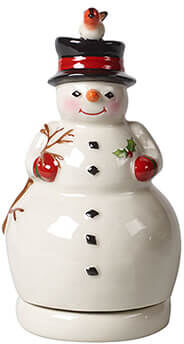
Villeroy & Boch Nostalgic Melody Turning Snowman Music BoxCelebrate the spirit of the season with this charming Nostalgic Melody music box from Villeroy & Boch. Featuring a cheerful snowman that gently rotates to the classic tune Jingle Bells, it brings festive cheer to your home with every turn. Expertly crafted from high-quality porcelain, it makes a delightful addition to your Christmas decorations or a thoughtful gift for collectors. Dimensions: 8cm (L) x 8cm (W) x 15cm (H). Weight: 0.35kg.35,01 £*Shipping: 3,50 £Secure redirect to the provider
-
Villeroy & Boch Nostalgic Melody Turning Christmas Tree Music BoxThe Villeroy & Boch Nostalgic Melody Turning Christmas Tree Music Box adds festive charm to your home with its intricate hand-painted design and durable ceramic construction. Bring the spirit of the season into your space with this compact decoration, perfect for tabletops or mantels. Its sturdy base ensures stability, allowing you to showcase it confidently throughout the holidays. Simply twist the key to start the festive tune and set your tree up on display to immerse yourself in the merriment of Christmas. Whether it is placed on a dining table, coffee table or displayed on a mantlepiece, this music box will perfectly compliment other pieces from the Nostalgic Melody range. Made from premium Porcelain. Dimensions: 16.2(H) cm. Hand washing recommended. Weight: 0.5kg.37,71 £*Shipping: 3,50 £Secure redirect to the provider
-
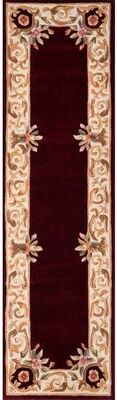
World Rug Gallery Traditional Folk Floral Power Loomed Indoor Area RugDetails: Add lasting style to your home with this Ivory Cream Traditional Folk Floral Area Rug. The classic ivory botanical floral design pairs effortlessly with virtually any decor, making it a natural fit for your living room, bedroom, or entryway.51,99 $*Shipping: 0,00 $Secure redirect to the provider
-
Momeni Harmony Hand Tufted Wool Traditional Floral Area Rug.Decorate your home with this alluring medallion patterned area rug. The antique-style embellishment of this traditional area rug adds ornamental flourish to floors throughout the home.312,17 $*Shipping: 0,00 $Secure redirect to the provider


-
What is the Japanese honorific for brother?
The Japanese honorific for brother is "お兄さん" (onii-san) when addressing an older brother and "弟" (otouto) when addressing a younger brother. These honorifics are used to show respect and politeness when referring to one's brother in Japanese. **
-
What is the Japanese honorific for an older brother?
The Japanese honorific for an older brother is "onii-san" (お兄さん) or "onii-chan" (お兄ちゃん) when speaking in a more familiar or affectionate tone. These honorifics are used to show respect and affection towards an older brother in Japanese culture. **
-
How do I receive the English honorific title Sir and be elevated to knighthood?
To receive the English honorific title Sir and be elevated to knighthood, one must be nominated for the honor by someone else. Typically, individuals are nominated for their significant contributions to society, such as in the fields of charity, public service, or the arts. The nomination process involves a thorough review by the government and ultimately approval by the Queen. Once approved, the individual will participate in a ceremony where they will be dubbed a knight and receive the title Sir. **
-
What is the difference between harmony and melody?
Harmony refers to the combination of different musical notes played or sung simultaneously to create a pleasing sound. It involves the use of chords and the relationship between different notes played together. On the other hand, melody is a sequence of single notes that are perceived as a single entity. It is the main theme or tune of a piece of music and is usually the most memorable part of a song. In summary, harmony involves the combination of notes played together, while melody is a sequence of single notes that form the main theme of a piece of music. **

Which string instrument has the most strings?
The string instrument with the most strings is typically the harp. A standard concert harp can have up to 47 strings, although some harps can have even more. The large number of strings allows for a wide range of notes and tones to be produced, making the harp a versatile and expressive instrument. **
Which string instrument had the most strings?
The string instrument with the most strings is typically the harp. A standard concert harp has 47 strings, although some models can have up to 47 strings. The harp's large number of strings allows for a wide range of notes and tones to be produced, making it a versatile and expressive instrument. **
Top-Angebote
Products related to Honorific:
-
Villeroy & Boch Nostalgic Melody Turning Nutcracker Music BoxBring timeless elegance to your festive décor with the Nostalgic Melody Turning Nutcracker Music Box from Villeroy & Boch. This beautifully detailed porcelain figurine slowly rotates to Waltz of the Flowers, filling your home with the enchanting charm of a classic Christmas ballet. A treasured keepsake or gift that brings joy year after year. Dimensions: 9cm (L) x 9cm (W) x 14.6cm (H). Weight: 0.46kg.35,01 £*Shipping: 3,50 £Secure redirect to the provider
-
Villeroy & Boch Nostalgic Melody Turning Santa Music BoxBring the magic of Christmas to life with this charming Nostalgic Melody music box from Villeroy & Boch. Featuring a finely detailed, rotating Santa Claus figurine and a built-in wind-up mechanism that plays “Santa Claus Is Coming to Town,” this decorative piece captures the warmth and wonder of the festive season. Crafted from high-quality porcelain, it's a treasured keepsake that adds joy to every Christmas celebration. Dimensions: 8.7cm (L) x 8.6cm (W) x 15cm (H). Weight: 0.10kg.35,01 £*Shipping: 3,50 £Secure redirect to the provider
-
Villeroy & Boch Nostalgic Melody Turning Snowman Music BoxCelebrate the spirit of the season with this charming Nostalgic Melody music box from Villeroy & Boch. Featuring a cheerful snowman that gently rotates to the classic tune Jingle Bells, it brings festive cheer to your home with every turn. Expertly crafted from high-quality porcelain, it makes a delightful addition to your Christmas decorations or a thoughtful gift for collectors. Dimensions: 8cm (L) x 8cm (W) x 15cm (H). Weight: 0.35kg.35,01 £*Shipping: 3,50 £Secure redirect to the provider
-
Villeroy & Boch Nostalgic Melody Turning Christmas Tree Music BoxThe Villeroy & Boch Nostalgic Melody Turning Christmas Tree Music Box adds festive charm to your home with its intricate hand-painted design and durable ceramic construction. Bring the spirit of the season into your space with this compact decoration, perfect for tabletops or mantels. Its sturdy base ensures stability, allowing you to showcase it confidently throughout the holidays. Simply twist the key to start the festive tune and set your tree up on display to immerse yourself in the merriment of Christmas. Whether it is placed on a dining table, coffee table or displayed on a mantlepiece, this music box will perfectly compliment other pieces from the Nostalgic Melody range. Made from premium Porcelain. Dimensions: 16.2(H) cm. Hand washing recommended. Weight: 0.5kg.37,71 £*Shipping: 3,50 £Secure redirect to the provider
-
What are Japanese honorific suffixes?
Japanese honorific suffixes are used to show respect and politeness when addressing or referring to others. They are attached to the end of a person's name or title, and the choice of suffix depends on the person's social status, age, and relationship to the speaker. Common honorific suffixes include -san (used for both men and women in formal and informal situations), -sama (used to show utmost respect, often for customers or people of higher status), and -chan (used for endearment, often for children, close friends, or pets). Honorific suffixes are an important aspect of Japanese language and culture, reflecting the emphasis on social hierarchy and respect. **
-
What is the Japanese honorific with "cchi"?
The Japanese honorific with "cchi" is typically used to show familiarity or affection towards someone. It is often added to a person's name or nickname to express closeness or intimacy. This honorific is commonly used among friends, family members, or people who have a close relationship with each other. **
-
What is the Japanese honorific for brother?
The Japanese honorific for brother is "お兄さん" (onii-san) when addressing an older brother and "弟" (otouto) when addressing a younger brother. These honorifics are used to show respect and politeness when referring to one's brother in Japanese. **
-
What is the Japanese honorific for an older brother?
The Japanese honorific for an older brother is "onii-san" (お兄さん) or "onii-chan" (お兄ちゃん) when speaking in a more familiar or affectionate tone. These honorifics are used to show respect and affection towards an older brother in Japanese culture. **
Similar search terms for Honorific
-
World Rug Gallery Traditional Folk Floral Power Loomed Indoor Area RugDetails: Add lasting style to your home with this Ivory Cream Traditional Folk Floral Area Rug. The classic ivory botanical floral design pairs effortlessly with virtually any decor, making it a natural fit for your living room, bedroom, or entryway.51,99 $*Shipping: 0,00 $Secure redirect to the provider
-
Momeni Harmony Hand Tufted Wool Traditional Floral Area Rug.Decorate your home with this alluring medallion patterned area rug. The antique-style embellishment of this traditional area rug adds ornamental flourish to floors throughout the home.312,17 $*Shipping: 0,00 $Secure redirect to the provider
-
Momeni Harmony Hand Tufted Wool Traditional Floral Area RugOrnate goldtone scrolls and scallop accents reflect the gilded grandeur of French baroque style, in this area rug. The antique-style embellishments add ornamental flourish to floors throughout your space.174,99 $*Shipping: 0,00 $Secure redirect to the provider
-
World Rug Gallery Traditional Folk Floral Power Loomed Indoor Area RugDetails: Add lasting style to your home with this Ivory Cream Traditional Folk Floral Area Rug. The classic ivory botanical floral design pairs effortlessly with virtually any decor, making it a natural fit for your living room, bedroom, or entryway.177,49 $*Shipping: 0,00 $Secure redirect to the provider
-
How do I receive the English honorific title Sir and be elevated to knighthood?
To receive the English honorific title Sir and be elevated to knighthood, one must be nominated for the honor by someone else. Typically, individuals are nominated for their significant contributions to society, such as in the fields of charity, public service, or the arts. The nomination process involves a thorough review by the government and ultimately approval by the Queen. Once approved, the individual will participate in a ceremony where they will be dubbed a knight and receive the title Sir. **
-
What is the difference between harmony and melody?
Harmony refers to the combination of different musical notes played or sung simultaneously to create a pleasing sound. It involves the use of chords and the relationship between different notes played together. On the other hand, melody is a sequence of single notes that are perceived as a single entity. It is the main theme or tune of a piece of music and is usually the most memorable part of a song. In summary, harmony involves the combination of notes played together, while melody is a sequence of single notes that form the main theme of a piece of music. **
-
Which string instrument has the most strings?
The string instrument with the most strings is typically the harp. A standard concert harp can have up to 47 strings, although some harps can have even more. The large number of strings allows for a wide range of notes and tones to be produced, making the harp a versatile and expressive instrument. **
-
Which string instrument had the most strings?
The string instrument with the most strings is typically the harp. A standard concert harp has 47 strings, although some models can have up to 47 strings. The harp's large number of strings allows for a wide range of notes and tones to be produced, making it a versatile and expressive instrument. **
* All prices are inclusive of VAT and, if applicable, plus shipping costs. The offer information is based on the details provided by the respective shop and is updated through automated processes. Real-time updates do not occur, so deviations can occur in individual cases. ** Note: Parts of this content were created by AI.