Buy erhu.eu ?
We are moving the project
erhu.eu .
Are you interested in purchasing the domain
erhu.eu ?
domain@kv-gmbh.de · 0541-91531010
Buy erhu.eu ?
What did Gustav Stresemann do?
Gustav Stresemann was a German statesman who served as Chancellor and Foreign Minister of Germany during the Weimar Republic. He is best known for his role in stabilizing the German economy after World War I, negotiating the Dawes Plan to restructure Germany's reparation payments, and signing the Locarno Treaties to improve relations with France and the United Kingdom. Stresemann also won the Nobel Peace Prize in 1926 for his efforts to promote reconciliation and cooperation in Europe. **
Was Gustav Stresemann a true politician?
Yes, Gustav Stresemann was a true politician. He was a prominent figure in German politics during the Weimar Republic and served as Chancellor and Foreign Minister. Stresemann was known for his diplomatic skills and ability to navigate the complex political landscape of post-World War I Germany. He played a key role in stabilizing the German economy and improving relations with other countries, earning him the Nobel Peace Prize in 1926. His leadership and statesmanship during a tumultuous period in German history demonstrate his true political acumen. **
Similar search terms for Gustav
Top-Angebote
Products related to Gustav:
-
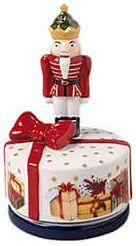
Villeroy & Boch Nostalgic Melody Turning Nutcracker Music BoxBring timeless elegance to your festive décor with the Nostalgic Melody Turning Nutcracker Music Box from Villeroy & Boch. This beautifully detailed porcelain figurine slowly rotates to Waltz of the Flowers, filling your home with the enchanting charm of a classic Christmas ballet. A treasured keepsake or gift that brings joy year after year. Dimensions: 9cm (L) x 9cm (W) x 14.6cm (H). Weight: 0.46kg.35,01 £*Shipping: 3,50 £Secure redirect to the provider
-
Villeroy & Boch Nostalgic Melody Turning Christmas Tree Music BoxThe Villeroy & Boch Nostalgic Melody Turning Christmas Tree Music Box adds festive charm to your home with its intricate hand-painted design and durable ceramic construction. Bring the spirit of the season into your space with this compact decoration, perfect for tabletops or mantels. Its sturdy base ensures stability, allowing you to showcase it confidently throughout the holidays. Simply twist the key to start the festive tune and set your tree up on display to immerse yourself in the merriment of Christmas. Whether it is placed on a dining table, coffee table or displayed on a mantlepiece, this music box will perfectly compliment other pieces from the Nostalgic Melody range. Made from premium Porcelain. Dimensions: 16.2(H) cm. Hand washing recommended. Weight: 0.5kg.37,71 £*Shipping: 3,50 £Secure redirect to the provider
-
Momeni Harmony Hand Tufted Wool Traditional Floral Area RugOrnate goldtone scrolls and scallop accents reflect the gilded grandeur of French baroque style, in this area rug. The antique-style embellishments add ornamental flourish to floors throughout your space.83,51 $*Shipping: 0,00 $Secure redirect to the provider
-
Momeni Harmony Hand Tufted Wool Traditional Floral Area Rug.Decorate your home with this alluring medallion patterned area rug. The antique-style embellishment of this traditional area rug adds ornamental flourish to floors throughout the home.72,92 $*Shipping: 0,00 $Secure redirect to the provider


-
How powerful is the heavy Gustav?
The heavy Gustav, also known as the Schwerer Gustav, was an extremely powerful railway gun developed by Nazi Germany during World War II. It was the largest-caliber rifled weapon ever used in combat, with a caliber of 800 mm. The heavy Gustav was capable of firing 7-ton shells over a distance of 29 miles, making it a formidable weapon for destroying heavily fortified targets. Its immense size and destructive power made it a symbol of German engineering and military might during the war. **
-
What is Gustav Klimt's Golden Tears?
Gustav Klimt's Golden Tears is a painting that depicts a woman crying golden tears. The artwork is part of Klimt's Golden Phase, during which he used gold leaf in his paintings to create a sense of luxury and opulence. The painting is known for its intricate details, rich colors, and emotional intensity, capturing the viewer's attention with its striking imagery. Golden Tears is considered a powerful and evocative piece that explores themes of sorrow, beauty, and the human experience. **
-
What is Golden Tears by Gustav Klimt?
Golden Tears is a painting by the Austrian symbolist painter Gustav Klimt, created in 1903. It is part of Klimt's "Golden Phase," characterized by his use of gold leaf in his works. In Golden Tears, Klimt depicts a woman with tears streaming down her face, surrounded by intricate patterns and symbols. The painting is a powerful representation of human emotion and the complexities of the human experience. **
-
What happened to Gustav Klimt in 2013?
Gustav Klimt passed away in 1918, so he did not experience any events in 2013. However, his artwork continues to be celebrated and admired by many around the world. In 2013, there may have been exhibitions, publications, or other events dedicated to showcasing his work and honoring his legacy. **


What is 'Golden Tears' by Gustav Klimt?
'Golden Tears' is a painting by the Austrian symbolist artist Gustav Klimt, created in 1901. It is part of his 'Golden Phase' where he used gold leaf in his works. The painting features a female figure shedding golden tears, symbolizing sorrow and loss. Klimt's use of intricate patterns and rich colors, along with the gold leaf, creates a sense of luxury and opulence in the artwork. **
From which country does the name Gustav originate?
The name Gustav originates from Sweden. It is a Scandinavian name that has Germanic roots and is derived from the Old Norse name Gustaf, meaning "staff of the Geats" or "spear of the gods." Gustav has been a popular name in Sweden and other Scandinavian countries for centuries. **
Top-Angebote
Products related to Gustav:
-
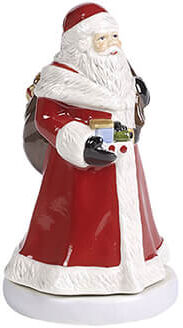
Villeroy & Boch Nostalgic Melody Turning Santa Music BoxBring the magic of Christmas to life with this charming Nostalgic Melody music box from Villeroy & Boch. Featuring a finely detailed, rotating Santa Claus figurine and a built-in wind-up mechanism that plays “Santa Claus Is Coming to Town,” this decorative piece captures the warmth and wonder of the festive season. Crafted from high-quality porcelain, it's a treasured keepsake that adds joy to every Christmas celebration. Dimensions: 8.7cm (L) x 8.6cm (W) x 15cm (H). Weight: 0.10kg.35,01 £*Shipping: 3,50 £Secure redirect to the provider
-
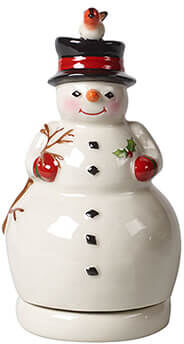
Villeroy & Boch Nostalgic Melody Turning Snowman Music BoxCelebrate the spirit of the season with this charming Nostalgic Melody music box from Villeroy & Boch. Featuring a cheerful snowman that gently rotates to the classic tune Jingle Bells, it brings festive cheer to your home with every turn. Expertly crafted from high-quality porcelain, it makes a delightful addition to your Christmas decorations or a thoughtful gift for collectors. Dimensions: 8cm (L) x 8cm (W) x 15cm (H). Weight: 0.35kg.35,01 £*Shipping: 3,50 £Secure redirect to the provider
-
Villeroy & Boch Nostalgic Melody Turning Nutcracker Music BoxBring timeless elegance to your festive décor with the Nostalgic Melody Turning Nutcracker Music Box from Villeroy & Boch. This beautifully detailed porcelain figurine slowly rotates to Waltz of the Flowers, filling your home with the enchanting charm of a classic Christmas ballet. A treasured keepsake or gift that brings joy year after year. Dimensions: 9cm (L) x 9cm (W) x 14.6cm (H). Weight: 0.46kg.35,01 £*Shipping: 3,50 £Secure redirect to the provider
-
Villeroy & Boch Nostalgic Melody Turning Christmas Tree Music BoxThe Villeroy & Boch Nostalgic Melody Turning Christmas Tree Music Box adds festive charm to your home with its intricate hand-painted design and durable ceramic construction. Bring the spirit of the season into your space with this compact decoration, perfect for tabletops or mantels. Its sturdy base ensures stability, allowing you to showcase it confidently throughout the holidays. Simply twist the key to start the festive tune and set your tree up on display to immerse yourself in the merriment of Christmas. Whether it is placed on a dining table, coffee table or displayed on a mantlepiece, this music box will perfectly compliment other pieces from the Nostalgic Melody range. Made from premium Porcelain. Dimensions: 16.2(H) cm. Hand washing recommended. Weight: 0.5kg.37,71 £*Shipping: 3,50 £Secure redirect to the provider
-
What did Gustav Stresemann do?
Gustav Stresemann was a German statesman who served as Chancellor and Foreign Minister of Germany during the Weimar Republic. He is best known for his role in stabilizing the German economy after World War I, negotiating the Dawes Plan to restructure Germany's reparation payments, and signing the Locarno Treaties to improve relations with France and the United Kingdom. Stresemann also won the Nobel Peace Prize in 1926 for his efforts to promote reconciliation and cooperation in Europe. **
-
Was Gustav Stresemann a true politician?
Yes, Gustav Stresemann was a true politician. He was a prominent figure in German politics during the Weimar Republic and served as Chancellor and Foreign Minister. Stresemann was known for his diplomatic skills and ability to navigate the complex political landscape of post-World War I Germany. He played a key role in stabilizing the German economy and improving relations with other countries, earning him the Nobel Peace Prize in 1926. His leadership and statesmanship during a tumultuous period in German history demonstrate his true political acumen. **
-
How powerful is the heavy Gustav?
The heavy Gustav, also known as the Schwerer Gustav, was an extremely powerful railway gun developed by Nazi Germany during World War II. It was the largest-caliber rifled weapon ever used in combat, with a caliber of 800 mm. The heavy Gustav was capable of firing 7-ton shells over a distance of 29 miles, making it a formidable weapon for destroying heavily fortified targets. Its immense size and destructive power made it a symbol of German engineering and military might during the war. **
-
What is Gustav Klimt's Golden Tears?
Gustav Klimt's Golden Tears is a painting that depicts a woman crying golden tears. The artwork is part of Klimt's Golden Phase, during which he used gold leaf in his paintings to create a sense of luxury and opulence. The painting is known for its intricate details, rich colors, and emotional intensity, capturing the viewer's attention with its striking imagery. Golden Tears is considered a powerful and evocative piece that explores themes of sorrow, beauty, and the human experience. **
Similar search terms for Gustav
-
Momeni Harmony Hand Tufted Wool Traditional Floral Area RugOrnate goldtone scrolls and scallop accents reflect the gilded grandeur of French baroque style, in this area rug. The antique-style embellishments add ornamental flourish to floors throughout your space.83,51 $*Shipping: 0,00 $Secure redirect to the provider
-
Momeni Harmony Hand Tufted Wool Traditional Floral Area Rug.Decorate your home with this alluring medallion patterned area rug. The antique-style embellishment of this traditional area rug adds ornamental flourish to floors throughout the home.72,92 $*Shipping: 0,00 $Secure redirect to the provider
-
Momeni Harmony Hand Tufted Wool Traditional Floral Area RugOrnate goldtone scrolls and scallop accents reflect the gilded grandeur of French baroque style, in this area rug. The antique-style embellishments add ornamental flourish to floors throughout your space.78,48 $*Shipping: 0,00 $Secure redirect to the provider
-
Momeni Harmony Hand Tufted Wool Traditional Floral Area Rug.Decorate your home with this alluring medallion patterned area rug. The antique-style embellishment of this traditional area rug adds ornamental flourish to floors throughout the home.234,99 $*Shipping: 0,00 $Secure redirect to the provider
-
What is Golden Tears by Gustav Klimt?
Golden Tears is a painting by the Austrian symbolist painter Gustav Klimt, created in 1903. It is part of Klimt's "Golden Phase," characterized by his use of gold leaf in his works. In Golden Tears, Klimt depicts a woman with tears streaming down her face, surrounded by intricate patterns and symbols. The painting is a powerful representation of human emotion and the complexities of the human experience. **
-
What happened to Gustav Klimt in 2013?
Gustav Klimt passed away in 1918, so he did not experience any events in 2013. However, his artwork continues to be celebrated and admired by many around the world. In 2013, there may have been exhibitions, publications, or other events dedicated to showcasing his work and honoring his legacy. **
-
What is 'Golden Tears' by Gustav Klimt?
'Golden Tears' is a painting by the Austrian symbolist artist Gustav Klimt, created in 1901. It is part of his 'Golden Phase' where he used gold leaf in his works. The painting features a female figure shedding golden tears, symbolizing sorrow and loss. Klimt's use of intricate patterns and rich colors, along with the gold leaf, creates a sense of luxury and opulence in the artwork. **
-
From which country does the name Gustav originate?
The name Gustav originates from Sweden. It is a Scandinavian name that has Germanic roots and is derived from the Old Norse name Gustaf, meaning "staff of the Geats" or "spear of the gods." Gustav has been a popular name in Sweden and other Scandinavian countries for centuries. **
* All prices are inclusive of VAT and, if applicable, plus shipping costs. The offer information is based on the details provided by the respective shop and is updated through automated processes. Real-time updates do not occur, so deviations can occur in individual cases. ** Note: Parts of this content were created by AI.