Buy erhu.eu ?
We are moving the project
erhu.eu .
Are you interested in purchasing the domain
erhu.eu ?
domain@kv-gmbh.de · 0541-91531010
Buy erhu.eu ?
What is compartmentalization in biology?
Compartmentalization in biology refers to the organization of cells into specialized compartments or organelles, each with specific functions. These compartments help to separate different biochemical processes within the cell, allowing for more efficient and controlled cellular activities. Examples of compartmentalization include the nucleus, mitochondria, and endoplasmic reticulum, each of which carries out specific functions essential for the cell's survival and functioning. This organization is crucial for maintaining cellular homeostasis and ensuring proper cellular function. **
What is compartmentalization in cellular respiration?
Compartmentalization in cellular respiration refers to the organization of different metabolic processes into specific compartments within the cell. In eukaryotic cells, cellular respiration occurs in different organelles such as the cytoplasm, mitochondria, and chloroplasts. Each organelle plays a specific role in the overall process of cellular respiration, with different compartments carrying out different steps of the metabolic pathway. This compartmentalization allows for efficient coordination of the various reactions involved in cellular respiration and helps to optimize energy production within the cell. **


Similar search terms for Compartmentalization
Top-Angebote
Products related to Compartmentalization:
-
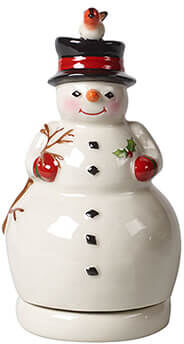
Villeroy & Boch Nostalgic Melody Turning Snowman Music BoxCelebrate the spirit of the season with this charming Nostalgic Melody music box from Villeroy & Boch. Featuring a cheerful snowman that gently rotates to the classic tune Jingle Bells, it brings festive cheer to your home with every turn. Expertly crafted from high-quality porcelain, it makes a delightful addition to your Christmas decorations or a thoughtful gift for collectors. Dimensions: 8cm (L) x 8cm (W) x 15cm (H). Weight: 0.35kg.35,01 £*Shipping: 3,50 £Secure redirect to the provider
-
Villeroy & Boch Nostalgic Melody Turning Christmas Tree Music BoxThe Villeroy & Boch Nostalgic Melody Turning Christmas Tree Music Box adds festive charm to your home with its intricate hand-painted design and durable ceramic construction. Bring the spirit of the season into your space with this compact decoration, perfect for tabletops or mantels. Its sturdy base ensures stability, allowing you to showcase it confidently throughout the holidays. Simply twist the key to start the festive tune and set your tree up on display to immerse yourself in the merriment of Christmas. Whether it is placed on a dining table, coffee table or displayed on a mantlepiece, this music box will perfectly compliment other pieces from the Nostalgic Melody range. Made from premium Porcelain. Dimensions: 16.2(H) cm. Hand washing recommended. Weight: 0.5kg.37,71 £*Shipping: 3,50 £Secure redirect to the provider
-
Momeni Harmony Hand Tufted Wool Traditional Floral Area RugOrnate goldtone scrolls and scallop accents reflect the gilded grandeur of French baroque style, in this area rug. The antique-style embellishments add ornamental flourish to floors throughout your space.83,51 $*Shipping: 0,00 $Secure redirect to the provider
-
Momeni Harmony Hand Tufted Wool Traditional Floral Area Rug.Decorate your home with this alluring medallion patterned area rug. The antique-style embellishment of this traditional area rug adds ornamental flourish to floors throughout the home.72,92 $*Shipping: 0,00 $Secure redirect to the provider


-
What is the principle of compartmentalization?
The principle of compartmentalization is the concept of dividing a system or organization into separate, distinct compartments or sections. Each compartment is designed to have its own specific function and purpose, and is often isolated from other compartments to prevent interference or contamination. This principle is commonly applied in various fields such as biology, business, and engineering to improve efficiency, organization, and security. By compartmentalizing different aspects of a system, it becomes easier to manage and control each compartment independently, leading to better overall performance and functionality. **
-
What is compartmentalization in the cell?
Compartmentalization in the cell refers to the organization of different cellular processes and structures into distinct compartments or organelles. This allows for the separation and coordination of specific cellular functions, such as energy production in the mitochondria, protein synthesis in the ribosomes, and waste management in the lysosomes. Compartmentalization also helps to maintain the integrity of cellular processes by preventing interference between different activities. Overall, compartmentalization is essential for the efficient functioning of the cell and the coordination of its various activities. **
-
What is the compartmentalization of lysosomes?
The compartmentalization of lysosomes refers to the unique internal environment of these organelles. Lysosomes contain a variety of hydrolytic enzymes that are capable of breaking down various biomolecules, such as proteins, lipids, and nucleic acids. These enzymes function optimally in the acidic pH environment found within lysosomes, which is maintained by the action of proton pumps in the lysosomal membrane. This acidic environment allows the enzymes to efficiently break down cellular waste and foreign materials, while also protecting the rest of the cell from their potentially harmful effects. **
-
Can you please explain Eschnepf's compartmentalization rule?
Eschnepf's compartmentalization rule is a concept in plant physiology that describes the separation of metabolic processes within plant cells into different compartments or organelles. This rule suggests that different metabolic pathways are localized in specific organelles to optimize efficiency and prevent interference between different processes. By compartmentalizing metabolic reactions, plants can regulate and control the flow of molecules and energy within the cell, allowing for more efficient utilization of resources and coordination of various cellular functions. **


How is the compartmentalization of chloroplasts carried out?
Chloroplasts are compartmentalized through the presence of a double membrane that surrounds the organelle, creating an inner space known as the stroma. Within the stroma, various structures such as thylakoid membranes and grana are present, which house the photosynthetic pigments and enzymes necessary for photosynthesis. This compartmentalization allows for the different stages of photosynthesis to occur in specific locations within the chloroplast, optimizing the efficiency of the process. Additionally, the presence of these compartments helps to regulate the flow of molecules and ions within the chloroplast, ensuring proper functioning. **
What is the significance of compartmentalization in animal cells?
Compartmentalization in animal cells is significant because it allows for different cellular processes to occur simultaneously in separate organelles, increasing efficiency and organization within the cell. It also helps to maintain specific conditions required for various biochemical reactions to take place. Additionally, compartmentalization helps to protect the cell from potentially harmful reactions by isolating them within specific organelles. Overall, compartmentalization plays a crucial role in the overall functioning and survival of animal cells. **
Top-Angebote
Products related to Compartmentalization:
-
Villeroy & Boch Nostalgic Melody Turning Nutcracker Music BoxBring timeless elegance to your festive décor with the Nostalgic Melody Turning Nutcracker Music Box from Villeroy & Boch. This beautifully detailed porcelain figurine slowly rotates to Waltz of the Flowers, filling your home with the enchanting charm of a classic Christmas ballet. A treasured keepsake or gift that brings joy year after year. Dimensions: 9cm (L) x 9cm (W) x 14.6cm (H). Weight: 0.46kg.35,01 £*Shipping: 3,50 £Secure redirect to the provider
-
Villeroy & Boch Nostalgic Melody Turning Santa Music BoxBring the magic of Christmas to life with this charming Nostalgic Melody music box from Villeroy & Boch. Featuring a finely detailed, rotating Santa Claus figurine and a built-in wind-up mechanism that plays “Santa Claus Is Coming to Town,” this decorative piece captures the warmth and wonder of the festive season. Crafted from high-quality porcelain, it's a treasured keepsake that adds joy to every Christmas celebration. Dimensions: 8.7cm (L) x 8.6cm (W) x 15cm (H). Weight: 0.10kg.35,01 £*Shipping: 3,50 £Secure redirect to the provider
-
Villeroy & Boch Nostalgic Melody Turning Snowman Music BoxCelebrate the spirit of the season with this charming Nostalgic Melody music box from Villeroy & Boch. Featuring a cheerful snowman that gently rotates to the classic tune Jingle Bells, it brings festive cheer to your home with every turn. Expertly crafted from high-quality porcelain, it makes a delightful addition to your Christmas decorations or a thoughtful gift for collectors. Dimensions: 8cm (L) x 8cm (W) x 15cm (H). Weight: 0.35kg.35,01 £*Shipping: 3,50 £Secure redirect to the provider
-
Villeroy & Boch Nostalgic Melody Turning Christmas Tree Music BoxThe Villeroy & Boch Nostalgic Melody Turning Christmas Tree Music Box adds festive charm to your home with its intricate hand-painted design and durable ceramic construction. Bring the spirit of the season into your space with this compact decoration, perfect for tabletops or mantels. Its sturdy base ensures stability, allowing you to showcase it confidently throughout the holidays. Simply twist the key to start the festive tune and set your tree up on display to immerse yourself in the merriment of Christmas. Whether it is placed on a dining table, coffee table or displayed on a mantlepiece, this music box will perfectly compliment other pieces from the Nostalgic Melody range. Made from premium Porcelain. Dimensions: 16.2(H) cm. Hand washing recommended. Weight: 0.5kg.37,71 £*Shipping: 3,50 £Secure redirect to the provider
-
What is compartmentalization in biology?
Compartmentalization in biology refers to the organization of cells into specialized compartments or organelles, each with specific functions. These compartments help to separate different biochemical processes within the cell, allowing for more efficient and controlled cellular activities. Examples of compartmentalization include the nucleus, mitochondria, and endoplasmic reticulum, each of which carries out specific functions essential for the cell's survival and functioning. This organization is crucial for maintaining cellular homeostasis and ensuring proper cellular function. **
-
What is compartmentalization in cellular respiration?
Compartmentalization in cellular respiration refers to the organization of different metabolic processes into specific compartments within the cell. In eukaryotic cells, cellular respiration occurs in different organelles such as the cytoplasm, mitochondria, and chloroplasts. Each organelle plays a specific role in the overall process of cellular respiration, with different compartments carrying out different steps of the metabolic pathway. This compartmentalization allows for efficient coordination of the various reactions involved in cellular respiration and helps to optimize energy production within the cell. **
-
What is the principle of compartmentalization?
The principle of compartmentalization is the concept of dividing a system or organization into separate, distinct compartments or sections. Each compartment is designed to have its own specific function and purpose, and is often isolated from other compartments to prevent interference or contamination. This principle is commonly applied in various fields such as biology, business, and engineering to improve efficiency, organization, and security. By compartmentalizing different aspects of a system, it becomes easier to manage and control each compartment independently, leading to better overall performance and functionality. **
-
What is compartmentalization in the cell?
Compartmentalization in the cell refers to the organization of different cellular processes and structures into distinct compartments or organelles. This allows for the separation and coordination of specific cellular functions, such as energy production in the mitochondria, protein synthesis in the ribosomes, and waste management in the lysosomes. Compartmentalization also helps to maintain the integrity of cellular processes by preventing interference between different activities. Overall, compartmentalization is essential for the efficient functioning of the cell and the coordination of its various activities. **
Similar search terms for Compartmentalization
-
Momeni Harmony Hand Tufted Wool Traditional Floral Area RugOrnate goldtone scrolls and scallop accents reflect the gilded grandeur of French baroque style, in this area rug. The antique-style embellishments add ornamental flourish to floors throughout your space.83,51 $*Shipping: 0,00 $Secure redirect to the provider
-
Momeni Harmony Hand Tufted Wool Traditional Floral Area Rug.Decorate your home with this alluring medallion patterned area rug. The antique-style embellishment of this traditional area rug adds ornamental flourish to floors throughout the home.72,92 $*Shipping: 0,00 $Secure redirect to the provider
-
Momeni Harmony Hand Tufted Wool Traditional Floral Area RugOrnate goldtone scrolls and scallop accents reflect the gilded grandeur of French baroque style, in this area rug. The antique-style embellishments add ornamental flourish to floors throughout your space.78,48 $*Shipping: 0,00 $Secure redirect to the provider
-
Momeni Harmony Hand Tufted Wool Traditional Floral Area Rug.Decorate your home with this alluring medallion patterned area rug. The antique-style embellishment of this traditional area rug adds ornamental flourish to floors throughout the home.234,99 $*Shipping: 0,00 $Secure redirect to the provider
-
What is the compartmentalization of lysosomes?
The compartmentalization of lysosomes refers to the unique internal environment of these organelles. Lysosomes contain a variety of hydrolytic enzymes that are capable of breaking down various biomolecules, such as proteins, lipids, and nucleic acids. These enzymes function optimally in the acidic pH environment found within lysosomes, which is maintained by the action of proton pumps in the lysosomal membrane. This acidic environment allows the enzymes to efficiently break down cellular waste and foreign materials, while also protecting the rest of the cell from their potentially harmful effects. **
-
Can you please explain Eschnepf's compartmentalization rule?
Eschnepf's compartmentalization rule is a concept in plant physiology that describes the separation of metabolic processes within plant cells into different compartments or organelles. This rule suggests that different metabolic pathways are localized in specific organelles to optimize efficiency and prevent interference between different processes. By compartmentalizing metabolic reactions, plants can regulate and control the flow of molecules and energy within the cell, allowing for more efficient utilization of resources and coordination of various cellular functions. **
-
How is the compartmentalization of chloroplasts carried out?
Chloroplasts are compartmentalized through the presence of a double membrane that surrounds the organelle, creating an inner space known as the stroma. Within the stroma, various structures such as thylakoid membranes and grana are present, which house the photosynthetic pigments and enzymes necessary for photosynthesis. This compartmentalization allows for the different stages of photosynthesis to occur in specific locations within the chloroplast, optimizing the efficiency of the process. Additionally, the presence of these compartments helps to regulate the flow of molecules and ions within the chloroplast, ensuring proper functioning. **
-
What is the significance of compartmentalization in animal cells?
Compartmentalization in animal cells is significant because it allows for different cellular processes to occur simultaneously in separate organelles, increasing efficiency and organization within the cell. It also helps to maintain specific conditions required for various biochemical reactions to take place. Additionally, compartmentalization helps to protect the cell from potentially harmful reactions by isolating them within specific organelles. Overall, compartmentalization plays a crucial role in the overall functioning and survival of animal cells. **
* All prices are inclusive of VAT and, if applicable, plus shipping costs. The offer information is based on the details provided by the respective shop and is updated through automated processes. Real-time updates do not occur, so deviations can occur in individual cases. ** Note: Parts of this content were created by AI.