Buy erhu.eu ?
We are moving the project
erhu.eu .
Are you interested in purchasing the domain
erhu.eu ?
domain@kv-gmbh.de · 0541-91531010
Buy erhu.eu ?
What is the difference between Viennese Classicism and Weimar Classicism?
Viennese Classicism refers to the musical and artistic movement that emerged in Vienna during the late 18th century, with composers like Mozart, Haydn, and Beethoven as its key figures. Weimar Classicism, on the other hand, refers to the literary and cultural movement that took place in Weimar, Germany, during the late 18th and early 19th centuries, with writers and thinkers like Goethe and Schiller at its center. While Viennese Classicism is primarily associated with music, Weimar Classicism is more focused on literature and philosophy. Both movements, however, share a commitment to balance, harmony, and a return to classical forms and ideals. **
Has Weimar Classicism failed?
Weimar Classicism, a cultural and literary movement in Germany during the late 18th and early 19th centuries, is considered by many to have been a successful period of artistic and intellectual achievement. However, some critics argue that it failed to bring about lasting social or political change. While Weimar Classicism did not lead to significant reforms or revolution, its impact on German literature, philosophy, and culture was profound and enduring. Ultimately, whether Weimar Classicism can be considered a failure depends on the criteria by which its success is judged. **
Similar search terms for Classicism
Top-Angebote
Products related to Classicism:
-
Villeroy & Boch Nostalgic Melody Turning Nutcracker Music BoxBring timeless elegance to your festive décor with the Nostalgic Melody Turning Nutcracker Music Box from Villeroy & Boch. This beautifully detailed porcelain figurine slowly rotates to Waltz of the Flowers, filling your home with the enchanting charm of a classic Christmas ballet. A treasured keepsake or gift that brings joy year after year. Dimensions: 9cm (L) x 9cm (W) x 14.6cm (H). Weight: 0.46kg.35,01 £*Shipping: 3,50 £Secure redirect to the provider
-
Villeroy & Boch Nostalgic Melody Turning Christmas Tree Music BoxThe Villeroy & Boch Nostalgic Melody Turning Christmas Tree Music Box adds festive charm to your home with its intricate hand-painted design and durable ceramic construction. Bring the spirit of the season into your space with this compact decoration, perfect for tabletops or mantels. Its sturdy base ensures stability, allowing you to showcase it confidently throughout the holidays. Simply twist the key to start the festive tune and set your tree up on display to immerse yourself in the merriment of Christmas. Whether it is placed on a dining table, coffee table or displayed on a mantlepiece, this music box will perfectly compliment other pieces from the Nostalgic Melody range. Made from premium Porcelain. Dimensions: 16.2(H) cm. Hand washing recommended. Weight: 0.5kg.37,71 £*Shipping: 3,50 £Secure redirect to the provider
-
World Rug Gallery Traditional Folk Floral Power Loomed Indoor Area RugDetails: Add lasting style to your home with this Ivory Cream Traditional Folk Floral Area Rug. The classic ivory botanical floral design pairs effortlessly with virtually any decor, making it a natural fit for your living room, bedroom, or entryway.147,99 $*Shipping: 0,00 $Secure redirect to the provider
-
Momeni Harmony Hand Tufted Wool Traditional Floral Area Rug.Decorate your home with this alluring medallion patterned area rug. The antique-style embellishment of this traditional area rug adds ornamental flourish to floors throughout the home.160,91 $*Shipping: 0,00 $Secure redirect to the provider



-
Has the Weimar Classicism failed?
The Weimar Classicism, which was a cultural and literary movement in Germany during the late 18th and early 19th centuries, can be considered a success in many ways. It brought together some of the greatest minds of the time, including Johann Wolfgang von Goethe and Friedrich Schiller, and produced timeless works of literature and philosophy. However, it could be argued that the movement failed to have a lasting impact on German society and politics, as it was eventually overshadowed by the rise of Romanticism and the political turmoil of the 19th century. Ultimately, whether or not Weimar Classicism failed depends on the criteria used to measure its success. **
-
What are examples of Weimar Classicism?
Some examples of Weimar Classicism include the works of Johann Wolfgang von Goethe, such as his novel "Wilhelm Meister's Apprenticeship" and his play "Faust." Another example is Friedrich Schiller's play "William Tell," which reflects the ideals of the movement through its focus on heroism and freedom. Additionally, the architectural designs of Weimar, such as the Weimar Court Theater and the Weimar City Palace, also exemplify the principles of Weimar Classicism through their emphasis on balance, harmony, and classical forms. **
-
What are the traditions of Weimar Classicism?
Weimar Classicism was a cultural and literary movement that emerged in the late 18th century in Germany. Some of the key traditions of Weimar Classicism include a focus on reason, harmony, and balance in both art and society. This movement also emphasized the importance of education, humanism, and the pursuit of knowledge. Weimar Classicism sought to revive the ideals of ancient Greece and Rome, and its proponents believed in the power of art and literature to elevate and educate society. **
-
What are typical poems of Weimar Classicism?
Typical poems of Weimar Classicism often focus on themes of nature, beauty, and the human experience. They are characterized by their clarity, balance, and harmony, drawing inspiration from classical Greek and Roman literature. Poets of this movement, such as Johann Wolfgang von Goethe and Friedrich Schiller, sought to create works that were both intellectually stimulating and emotionally resonant, reflecting the ideals of the Enlightenment. These poems often explore the tension between reason and emotion, and the search for meaning and truth in the world. **


What is the literary era of Classicism?
The literary era of Classicism, also known as Neoclassicism, emerged in the 18th century as a reaction against the extravagance and emotionalism of the Baroque period. Classicism emphasized order, reason, and rationality, drawing inspiration from the art and literature of ancient Greece and Rome. Writers during this era sought to emulate the style and themes of classical antiquity, focusing on clarity, balance, and restraint in their works. Classicism also placed a strong emphasis on the use of formal structures and traditional poetic forms, such as the sonnet and the heroic couplet. **
What are the criticisms of Weimar Classicism?
Critics of Weimar Classicism argue that it was overly idealistic and focused on an unrealistic vision of a harmonious society, ignoring the social and political tensions of the time. They also claim that the movement was elitist, catering to the intellectual and aristocratic elite while neglecting the concerns of the working class. Additionally, some critics argue that Weimar Classicism's emphasis on rationality and order stifled creativity and individual expression, leading to a lack of innovation in the arts and literature. **
Top-Angebote
Products related to Classicism:
-
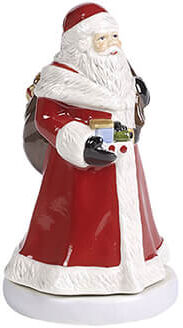
Villeroy & Boch Nostalgic Melody Turning Santa Music BoxBring the magic of Christmas to life with this charming Nostalgic Melody music box from Villeroy & Boch. Featuring a finely detailed, rotating Santa Claus figurine and a built-in wind-up mechanism that plays “Santa Claus Is Coming to Town,” this decorative piece captures the warmth and wonder of the festive season. Crafted from high-quality porcelain, it's a treasured keepsake that adds joy to every Christmas celebration. Dimensions: 8.7cm (L) x 8.6cm (W) x 15cm (H). Weight: 0.10kg.35,01 £*Shipping: 3,50 £Secure redirect to the provider
-
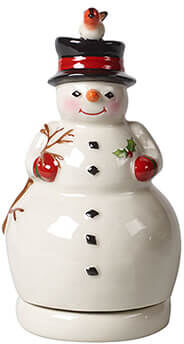
Villeroy & Boch Nostalgic Melody Turning Snowman Music BoxCelebrate the spirit of the season with this charming Nostalgic Melody music box from Villeroy & Boch. Featuring a cheerful snowman that gently rotates to the classic tune Jingle Bells, it brings festive cheer to your home with every turn. Expertly crafted from high-quality porcelain, it makes a delightful addition to your Christmas decorations or a thoughtful gift for collectors. Dimensions: 8cm (L) x 8cm (W) x 15cm (H). Weight: 0.35kg.35,01 £*Shipping: 3,50 £Secure redirect to the provider
-
Villeroy & Boch Nostalgic Melody Turning Nutcracker Music BoxBring timeless elegance to your festive décor with the Nostalgic Melody Turning Nutcracker Music Box from Villeroy & Boch. This beautifully detailed porcelain figurine slowly rotates to Waltz of the Flowers, filling your home with the enchanting charm of a classic Christmas ballet. A treasured keepsake or gift that brings joy year after year. Dimensions: 9cm (L) x 9cm (W) x 14.6cm (H). Weight: 0.46kg.35,01 £*Shipping: 3,50 £Secure redirect to the provider
-
Villeroy & Boch Nostalgic Melody Turning Christmas Tree Music BoxThe Villeroy & Boch Nostalgic Melody Turning Christmas Tree Music Box adds festive charm to your home with its intricate hand-painted design and durable ceramic construction. Bring the spirit of the season into your space with this compact decoration, perfect for tabletops or mantels. Its sturdy base ensures stability, allowing you to showcase it confidently throughout the holidays. Simply twist the key to start the festive tune and set your tree up on display to immerse yourself in the merriment of Christmas. Whether it is placed on a dining table, coffee table or displayed on a mantlepiece, this music box will perfectly compliment other pieces from the Nostalgic Melody range. Made from premium Porcelain. Dimensions: 16.2(H) cm. Hand washing recommended. Weight: 0.5kg.37,71 £*Shipping: 3,50 £Secure redirect to the provider
-
What is the difference between Viennese Classicism and Weimar Classicism?
Viennese Classicism refers to the musical and artistic movement that emerged in Vienna during the late 18th century, with composers like Mozart, Haydn, and Beethoven as its key figures. Weimar Classicism, on the other hand, refers to the literary and cultural movement that took place in Weimar, Germany, during the late 18th and early 19th centuries, with writers and thinkers like Goethe and Schiller at its center. While Viennese Classicism is primarily associated with music, Weimar Classicism is more focused on literature and philosophy. Both movements, however, share a commitment to balance, harmony, and a return to classical forms and ideals. **
-
Has Weimar Classicism failed?
Weimar Classicism, a cultural and literary movement in Germany during the late 18th and early 19th centuries, is considered by many to have been a successful period of artistic and intellectual achievement. However, some critics argue that it failed to bring about lasting social or political change. While Weimar Classicism did not lead to significant reforms or revolution, its impact on German literature, philosophy, and culture was profound and enduring. Ultimately, whether Weimar Classicism can be considered a failure depends on the criteria by which its success is judged. **
-
Has the Weimar Classicism failed?
The Weimar Classicism, which was a cultural and literary movement in Germany during the late 18th and early 19th centuries, can be considered a success in many ways. It brought together some of the greatest minds of the time, including Johann Wolfgang von Goethe and Friedrich Schiller, and produced timeless works of literature and philosophy. However, it could be argued that the movement failed to have a lasting impact on German society and politics, as it was eventually overshadowed by the rise of Romanticism and the political turmoil of the 19th century. Ultimately, whether or not Weimar Classicism failed depends on the criteria used to measure its success. **
-
What are examples of Weimar Classicism?
Some examples of Weimar Classicism include the works of Johann Wolfgang von Goethe, such as his novel "Wilhelm Meister's Apprenticeship" and his play "Faust." Another example is Friedrich Schiller's play "William Tell," which reflects the ideals of the movement through its focus on heroism and freedom. Additionally, the architectural designs of Weimar, such as the Weimar Court Theater and the Weimar City Palace, also exemplify the principles of Weimar Classicism through their emphasis on balance, harmony, and classical forms. **
Similar search terms for Classicism
-
World Rug Gallery Traditional Folk Floral Power Loomed Indoor Area RugDetails: Add lasting style to your home with this Ivory Cream Traditional Folk Floral Area Rug. The classic ivory botanical floral design pairs effortlessly with virtually any decor, making it a natural fit for your living room, bedroom, or entryway.147,99 $*Shipping: 0,00 $Secure redirect to the provider
-
Momeni Harmony Hand Tufted Wool Traditional Floral Area Rug.Decorate your home with this alluring medallion patterned area rug. The antique-style embellishment of this traditional area rug adds ornamental flourish to floors throughout the home.160,91 $*Shipping: 0,00 $Secure redirect to the provider
-
Momeni Harmony Hand Tufted Wool Traditional Floral Area RugOrnate goldtone scrolls and scallop accents reflect the gilded grandeur of French baroque style, in this area rug. The antique-style embellishments add ornamental flourish to floors throughout your space.167,49 $*Shipping: 0,00 $Secure redirect to the provider
-
Uplifted Finds Korean Traditional Folk Game Set Family Travel Play Kit eBring generations together with this Korean traditional folk game set featuring classic childhood games enjoyed across Korea. This cultural play kit includes multiple timeless games that encourage movement strategy and family interaction making it...83,97 $*Shipping: 0,00 $Secure redirect to the provider
-
What are the traditions of Weimar Classicism?
Weimar Classicism was a cultural and literary movement that emerged in the late 18th century in Germany. Some of the key traditions of Weimar Classicism include a focus on reason, harmony, and balance in both art and society. This movement also emphasized the importance of education, humanism, and the pursuit of knowledge. Weimar Classicism sought to revive the ideals of ancient Greece and Rome, and its proponents believed in the power of art and literature to elevate and educate society. **
-
What are typical poems of Weimar Classicism?
Typical poems of Weimar Classicism often focus on themes of nature, beauty, and the human experience. They are characterized by their clarity, balance, and harmony, drawing inspiration from classical Greek and Roman literature. Poets of this movement, such as Johann Wolfgang von Goethe and Friedrich Schiller, sought to create works that were both intellectually stimulating and emotionally resonant, reflecting the ideals of the Enlightenment. These poems often explore the tension between reason and emotion, and the search for meaning and truth in the world. **
-
What is the literary era of Classicism?
The literary era of Classicism, also known as Neoclassicism, emerged in the 18th century as a reaction against the extravagance and emotionalism of the Baroque period. Classicism emphasized order, reason, and rationality, drawing inspiration from the art and literature of ancient Greece and Rome. Writers during this era sought to emulate the style and themes of classical antiquity, focusing on clarity, balance, and restraint in their works. Classicism also placed a strong emphasis on the use of formal structures and traditional poetic forms, such as the sonnet and the heroic couplet. **
-
What are the criticisms of Weimar Classicism?
Critics of Weimar Classicism argue that it was overly idealistic and focused on an unrealistic vision of a harmonious society, ignoring the social and political tensions of the time. They also claim that the movement was elitist, catering to the intellectual and aristocratic elite while neglecting the concerns of the working class. Additionally, some critics argue that Weimar Classicism's emphasis on rationality and order stifled creativity and individual expression, leading to a lack of innovation in the arts and literature. **
* All prices are inclusive of VAT and, if applicable, plus shipping costs. The offer information is based on the details provided by the respective shop and is updated through automated processes. Real-time updates do not occur, so deviations can occur in individual cases. ** Note: Parts of this content were created by AI.