Buy erhu.eu ?
We are moving the project
erhu.eu .
Are you interested in purchasing the domain
erhu.eu ?
domain@kv-gmbh.de · 0541-91531010
Buy erhu.eu ?
Are wages liabilities?
Yes, wages are considered liabilities for a company because they represent an obligation to pay employees for their work. From an accounting perspective, wages are typically recorded as a liability on the company's balance sheet until they are paid to the employees. This reflects the company's obligation to fulfill its financial commitments to its employees. Therefore, wages are classified as a liability until they are settled. **
What are liabilities and receivables?
Liabilities are obligations or debts that a company owes to external parties, such as loans, accounts payable, or accrued expenses. They represent the company's financial responsibilities that must be settled in the future. Receivables, on the other hand, are amounts owed to a company by its customers or other parties for goods or services provided. They represent the company's right to receive payment and are considered assets on the company's balance sheet. Both liabilities and receivables are important components of a company's financial position and are crucial for assessing its overall financial health. **
Similar search terms for Liabilities
Top-Angebote
Products related to Liabilities:
-
Villeroy & Boch Nostalgic Melody Turning Nutcracker Music BoxBring timeless elegance to your festive décor with the Nostalgic Melody Turning Nutcracker Music Box from Villeroy & Boch. This beautifully detailed porcelain figurine slowly rotates to Waltz of the Flowers, filling your home with the enchanting charm of a classic Christmas ballet. A treasured keepsake or gift that brings joy year after year. Dimensions: 9cm (L) x 9cm (W) x 14.6cm (H). Weight: 0.46kg.35,01 £*Shipping: 3,50 £Secure redirect to the provider
-
Villeroy & Boch Nostalgic Melody Turning Christmas Tree Music BoxThe Villeroy & Boch Nostalgic Melody Turning Christmas Tree Music Box adds festive charm to your home with its intricate hand-painted design and durable ceramic construction. Bring the spirit of the season into your space with this compact decoration, perfect for tabletops or mantels. Its sturdy base ensures stability, allowing you to showcase it confidently throughout the holidays. Simply twist the key to start the festive tune and set your tree up on display to immerse yourself in the merriment of Christmas. Whether it is placed on a dining table, coffee table or displayed on a mantlepiece, this music box will perfectly compliment other pieces from the Nostalgic Melody range. Made from premium Porcelain. Dimensions: 16.2(H) cm. Hand washing recommended. Weight: 0.5kg.37,71 £*Shipping: 3,50 £Secure redirect to the provider
-
Momeni Harmony Hand Tufted Wool Traditional Floral Area RugOrnate goldtone scrolls and scallop accents reflect the gilded grandeur of French baroque style, in this area rug. The antique-style embellishments add ornamental flourish to floors throughout your space.77,98 $*Shipping: 0,00 $Secure redirect to the provider
-
Momeni Harmony Hand Tufted Wool Traditional Floral Area Rug.Decorate your home with this alluring medallion patterned area rug. The antique-style embellishment of this traditional area rug adds ornamental flourish to floors throughout the home.171,38 $*Shipping: 0,00 $Secure redirect to the provider



-
Why is equity on the liabilities side?
Equity is placed on the liabilities side of the balance sheet because it represents the claims of the company's owners or shareholders on the company's assets. It is considered a liability because the company has an obligation to its owners to repay their investment in the business. However, unlike other liabilities, equity does not have a fixed repayment schedule and is considered a residual claim, meaning it is only paid out after all other liabilities have been settled. Therefore, equity is categorized as a liability on the balance sheet to accurately reflect the financial obligations of the company. **
-
What are transitory assets and/or liabilities?
Transitory assets and/or liabilities are items on a company's balance sheet that are expected to be settled or used up within a relatively short period of time, typically within one year. These items are considered to be temporary in nature and are not expected to have a long-term impact on the company's financial position. Examples of transitory assets include cash, accounts receivable, and inventory, while examples of transitory liabilities include accounts payable and short-term debt. It is important for investors and analysts to understand the nature of these transitory items when evaluating a company's financial health and performance. **
-
How are the assets and liabilities evaluated?
Assets and liabilities are evaluated based on their current market value or book value. For assets, this means determining their fair market value, which is the price that they could be sold for in the current market. Liabilities are evaluated based on their current outstanding balance or the amount that is owed. This evaluation helps to determine the financial health and position of a company, as well as its ability to meet its financial obligations. **
-
What is a statement of assets and liabilities?
A statement of assets and liabilities is a financial document that provides a snapshot of an individual's or organization's financial position at a specific point in time. It lists all the assets, such as cash, investments, property, and equipment, as well as all the liabilities, such as loans, mortgages, and other debts. The statement helps to assess the overall financial health and solvency of the entity by comparing the total assets to the total liabilities. It is an essential tool for financial planning, decision-making, and assessing the ability to meet financial obligations. **


How can liabilities be settled in other ways?
Liabilities can be settled in other ways through various means such as debt restructuring, where the terms of the debt are renegotiated to make it more manageable for the debtor. Another way is through debt-for-equity swaps, where the creditor agrees to convert the debt into an ownership stake in the debtor's company. Additionally, liabilities can be settled through the sale of assets, where the debtor sells off assets to generate cash to pay off the liabilities. Finally, some liabilities can be settled through the issuance of new debt to replace the existing liabilities, known as refinancing. **
What is the difference between receivables and liabilities?
Receivables are amounts owed to a company by its customers or other parties for goods or services provided, while liabilities are obligations or debts that a company owes to its creditors or other parties. In other words, receivables represent money that is owed to the company, while liabilities represent money that the company owes to others. Receivables are considered assets on the company's balance sheet, while liabilities are recorded as obligations or debts. **
Top-Angebote
Products related to Liabilities:
-
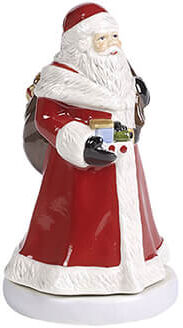
Villeroy & Boch Nostalgic Melody Turning Santa Music BoxBring the magic of Christmas to life with this charming Nostalgic Melody music box from Villeroy & Boch. Featuring a finely detailed, rotating Santa Claus figurine and a built-in wind-up mechanism that plays “Santa Claus Is Coming to Town,” this decorative piece captures the warmth and wonder of the festive season. Crafted from high-quality porcelain, it's a treasured keepsake that adds joy to every Christmas celebration. Dimensions: 8.7cm (L) x 8.6cm (W) x 15cm (H). Weight: 0.10kg.35,01 £*Shipping: 3,50 £Secure redirect to the provider
-
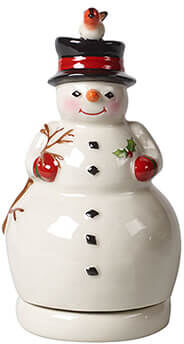
Villeroy & Boch Nostalgic Melody Turning Snowman Music BoxCelebrate the spirit of the season with this charming Nostalgic Melody music box from Villeroy & Boch. Featuring a cheerful snowman that gently rotates to the classic tune Jingle Bells, it brings festive cheer to your home with every turn. Expertly crafted from high-quality porcelain, it makes a delightful addition to your Christmas decorations or a thoughtful gift for collectors. Dimensions: 8cm (L) x 8cm (W) x 15cm (H). Weight: 0.35kg.35,01 £*Shipping: 3,50 £Secure redirect to the provider
-
Villeroy & Boch Nostalgic Melody Turning Nutcracker Music BoxBring timeless elegance to your festive décor with the Nostalgic Melody Turning Nutcracker Music Box from Villeroy & Boch. This beautifully detailed porcelain figurine slowly rotates to Waltz of the Flowers, filling your home with the enchanting charm of a classic Christmas ballet. A treasured keepsake or gift that brings joy year after year. Dimensions: 9cm (L) x 9cm (W) x 14.6cm (H). Weight: 0.46kg.35,01 £*Shipping: 3,50 £Secure redirect to the provider
-
Villeroy & Boch Nostalgic Melody Turning Christmas Tree Music BoxThe Villeroy & Boch Nostalgic Melody Turning Christmas Tree Music Box adds festive charm to your home with its intricate hand-painted design and durable ceramic construction. Bring the spirit of the season into your space with this compact decoration, perfect for tabletops or mantels. Its sturdy base ensures stability, allowing you to showcase it confidently throughout the holidays. Simply twist the key to start the festive tune and set your tree up on display to immerse yourself in the merriment of Christmas. Whether it is placed on a dining table, coffee table or displayed on a mantlepiece, this music box will perfectly compliment other pieces from the Nostalgic Melody range. Made from premium Porcelain. Dimensions: 16.2(H) cm. Hand washing recommended. Weight: 0.5kg.37,71 £*Shipping: 3,50 £Secure redirect to the provider
-
Are wages liabilities?
Yes, wages are considered liabilities for a company because they represent an obligation to pay employees for their work. From an accounting perspective, wages are typically recorded as a liability on the company's balance sheet until they are paid to the employees. This reflects the company's obligation to fulfill its financial commitments to its employees. Therefore, wages are classified as a liability until they are settled. **
-
What are liabilities and receivables?
Liabilities are obligations or debts that a company owes to external parties, such as loans, accounts payable, or accrued expenses. They represent the company's financial responsibilities that must be settled in the future. Receivables, on the other hand, are amounts owed to a company by its customers or other parties for goods or services provided. They represent the company's right to receive payment and are considered assets on the company's balance sheet. Both liabilities and receivables are important components of a company's financial position and are crucial for assessing its overall financial health. **
-
Why is equity on the liabilities side?
Equity is placed on the liabilities side of the balance sheet because it represents the claims of the company's owners or shareholders on the company's assets. It is considered a liability because the company has an obligation to its owners to repay their investment in the business. However, unlike other liabilities, equity does not have a fixed repayment schedule and is considered a residual claim, meaning it is only paid out after all other liabilities have been settled. Therefore, equity is categorized as a liability on the balance sheet to accurately reflect the financial obligations of the company. **
-
What are transitory assets and/or liabilities?
Transitory assets and/or liabilities are items on a company's balance sheet that are expected to be settled or used up within a relatively short period of time, typically within one year. These items are considered to be temporary in nature and are not expected to have a long-term impact on the company's financial position. Examples of transitory assets include cash, accounts receivable, and inventory, while examples of transitory liabilities include accounts payable and short-term debt. It is important for investors and analysts to understand the nature of these transitory items when evaluating a company's financial health and performance. **
Similar search terms for Liabilities
-
Momeni Harmony Hand Tufted Wool Traditional Floral Area RugOrnate goldtone scrolls and scallop accents reflect the gilded grandeur of French baroque style, in this area rug. The antique-style embellishments add ornamental flourish to floors throughout your space.77,98 $*Shipping: 0,00 $Secure redirect to the provider
-
Momeni Harmony Hand Tufted Wool Traditional Floral Area Rug.Decorate your home with this alluring medallion patterned area rug. The antique-style embellishment of this traditional area rug adds ornamental flourish to floors throughout the home.171,38 $*Shipping: 0,00 $Secure redirect to the provider
-
Zopa Music Mobile Owl cot carousel with melody 1 pcZopa Music Mobile Owl, 1 pc, Hanging toys For Kids, Get your baby a little friend to help them fall asleep peacefully and without any fuss. The Zopa Music Mobile Owl sleeping buddy is made of material that feels lovely to the touch, plus the design is perfect for grabbing with little hands. Characteristics: helps your baby fall asleep colours stimulate sensory development toy makes noises suitable for babies including newborns19,40 £*Shipping: 3,99 £Secure redirect to the provider
-
Momeni Harmony Hand Tufted Wool Traditional Floral Area Rug.Decorate your home with this alluring medallion patterned area rug. The antique-style embellishment of this traditional area rug adds ornamental flourish to floors throughout the home.326,60 $*Shipping: 0,00 $Secure redirect to the provider
-
How are the assets and liabilities evaluated?
Assets and liabilities are evaluated based on their current market value or book value. For assets, this means determining their fair market value, which is the price that they could be sold for in the current market. Liabilities are evaluated based on their current outstanding balance or the amount that is owed. This evaluation helps to determine the financial health and position of a company, as well as its ability to meet its financial obligations. **
-
What is a statement of assets and liabilities?
A statement of assets and liabilities is a financial document that provides a snapshot of an individual's or organization's financial position at a specific point in time. It lists all the assets, such as cash, investments, property, and equipment, as well as all the liabilities, such as loans, mortgages, and other debts. The statement helps to assess the overall financial health and solvency of the entity by comparing the total assets to the total liabilities. It is an essential tool for financial planning, decision-making, and assessing the ability to meet financial obligations. **
-
How can liabilities be settled in other ways?
Liabilities can be settled in other ways through various means such as debt restructuring, where the terms of the debt are renegotiated to make it more manageable for the debtor. Another way is through debt-for-equity swaps, where the creditor agrees to convert the debt into an ownership stake in the debtor's company. Additionally, liabilities can be settled through the sale of assets, where the debtor sells off assets to generate cash to pay off the liabilities. Finally, some liabilities can be settled through the issuance of new debt to replace the existing liabilities, known as refinancing. **
-
What is the difference between receivables and liabilities?
Receivables are amounts owed to a company by its customers or other parties for goods or services provided, while liabilities are obligations or debts that a company owes to its creditors or other parties. In other words, receivables represent money that is owed to the company, while liabilities represent money that the company owes to others. Receivables are considered assets on the company's balance sheet, while liabilities are recorded as obligations or debts. **
* All prices are inclusive of VAT and, if applicable, plus shipping costs. The offer information is based on the details provided by the respective shop and is updated through automated processes. Real-time updates do not occur, so deviations can occur in individual cases. ** Note: Parts of this content were created by AI.